54° and Clear



Image
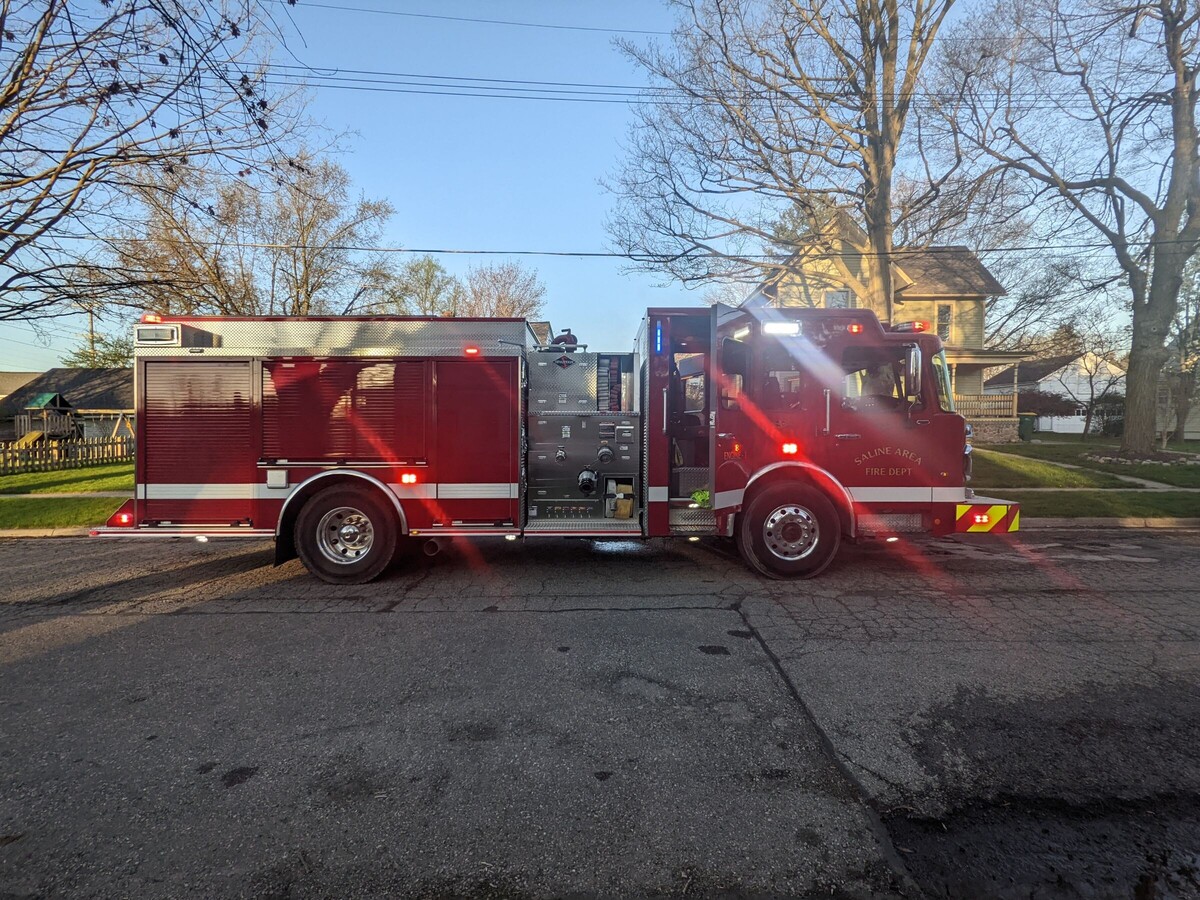
The Saline City Council took a significant step toward establishing a new governing structure for fire protection, voting 6-0 to approve the Saline Area Fire Authority Articles of Incorporation.
The current Saline Area Fire Department is governed by the Saline Area Fire Board, which consists of two representatives each from the City of Saline, Lodi Township, Saline Township, and York Township, plus one at-large member. Funding for the department has long relied on a complex formula based on taxable value, population density, and other factors. Each member community is responsible for raising its own share of the funding, often through different mechanisms. The City of Saline, for example, uses a voter-approved special assessment.
Under the new fire authority, officials plan to place an operations millage on the ballot as early as this fall to provide more stable and uniform funding. Reaching agreement among the member communities proved challenging. While the City Council approved the articles, the process highlighted ongoing tensions over governance and funding.
City leaders expressed concern about ceding control of fire department funding to the multi-community authority. Councillor Dean Girbach noted that without a millage in place, a single member community could effectively veto the annual budget, creating potential funding difficulties each year.
Mayor Brian Marl acknowledged that the benefits of the new authority outweigh the drawbacks, but he raised a key objection regarding the budget approval process.
“My one issue is that I do not believe it is good practice to allow one municipality veto power over a proposed budget,” Marl said. “If a majority of votes supports the budget, that should carry the day and allow the group to move forward, even if some members have concerns.”The issue is particularly pressing because the department currently lacks dedicated millage funding, forcing member communities to negotiate a temporary funding plan. Lodi Township added a clause to the articles addressing this concern.
The approval process itself encountered complications. Lodi Township amended the articles and forwarded the changes directly to the Saline Township Board rather than through the Fire Board, drawing criticism from city representatives on the board. Girbach said he understood Lodi’s position, noting the difficulty of committing a community to a budget without a reliable funding source in place.
“When you’re committing a community to a budget, and there’s no millage to support it, you’re essentially forcing that entity to find some other way to fund it,” Girbach said. “I can see why Lodi pushed back on that.”
Craig Swenson, former Lodi Township Trustee and current Chair of the Saline Area Fire Board, expressed regret over the process.
“That is against the spirit of how we’re supposed to be working together as a team to get this done,” Swenson said. He noted that Lodi faced additional challenges, including the sudden death of Supervisor Jan Godek.
Despite the hurdles, Swenson remained optimistic.
“I think Lodi will be a good partner,” he said. “It is important to put this in front of the voters and give them the opportunity to improve fire service.”

To the editor ✍️
Please report out who said what accurately.
Is there something wrong with the current setup?
The fire department is receiving hundreds of thousands if not over a million in new equipment in conjunction with the data center project. Would think that save would have freed money at some point in the budget projections. More to the point, we have heard the Fire Chief speak two or three times now. He has the ability to make a compelling case for just about anything. Sadly, once we looked further into some of the things said as well as simply thinking others through further, we realized he is more salesman carefully selecting what he brings forward to fit the narrative he desires and staying (hopefully) just shy of the line of being untruthful. While he may be a good fire chief in some regards (don't know), what is needed in this type of role and others in city governance is to present the REAL picture so that good business decisions can be made. Would encourage anyone serving on the Board, which will now be able to function in a much more untethered fashion, to rely maybe 10-20% on what the Chief says when making decisions and put the other 80-90% to your own identification of actual confirmed facts and opinions from others. In our view, the Chief will tell you what he thinks you need to hear to give him what he wants, which may in fact be the right thing to do.



Sunny, with a high of 69 and low of 46 degrees. Sunny in the morning, clear in the afternoon and evening, smoky haze overnight.