66° and Partly Cloudy



Image
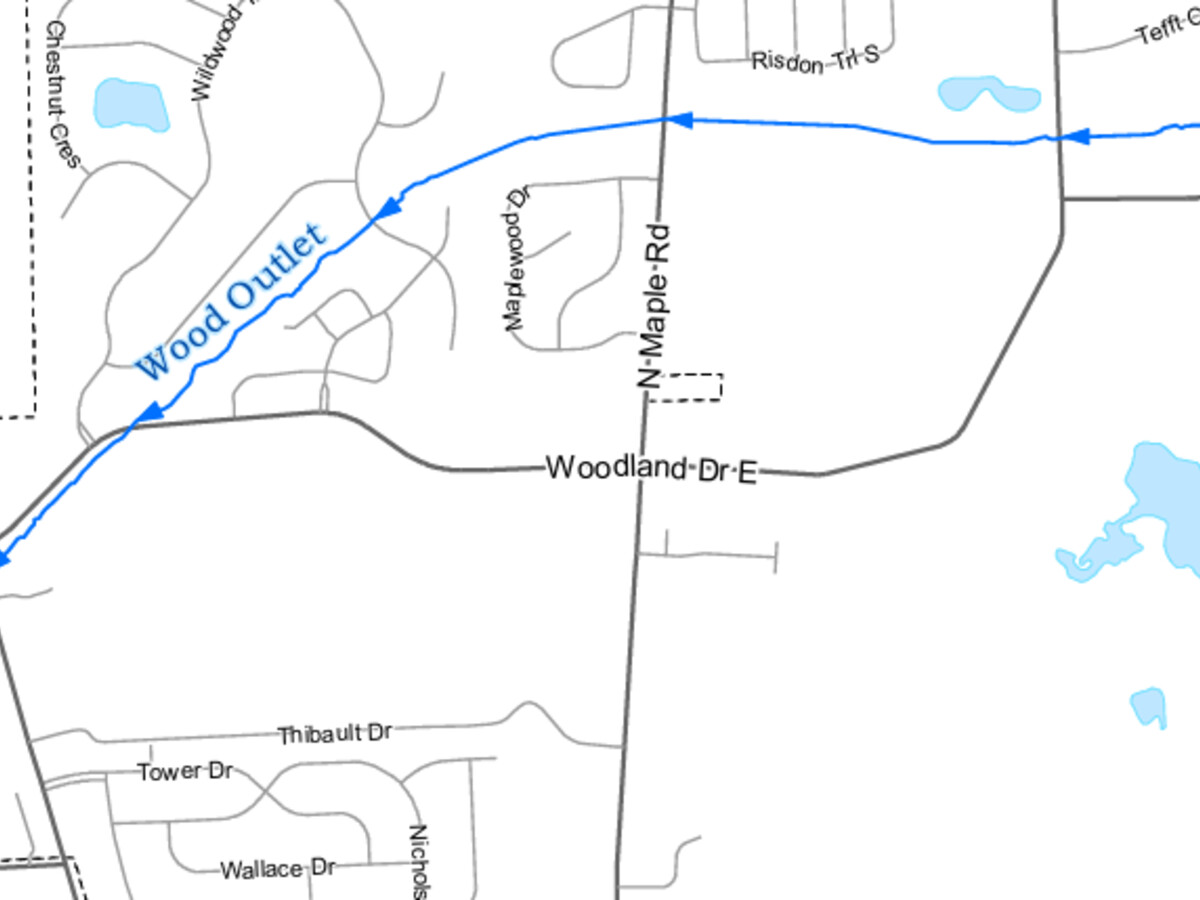
The City of Saline sent notices after a sewage discharge around 9 p.m. on Sept. 18.
An estimated 40,000 gallons of sewage discharged to pavement and the storm sewer system toward the Wood Outlet Drain, which flows east-to-west through the north end of the town where until it meets the Pittsfield #1 Drain just west of Ann Arbor Saline Road and south of Woodland Drive.
The city will perform upstream and downstream sampling of the drain to determine if there was an impact.
The spill has been contained.
In the Saline Posts Facebook Group, Councillor Dean Girbach shared a message from City Manager Colleen O'Toole.
"It appears the event occurred when the generator test switched back to DTE power. The generator runs on an automatic test cycle weekly. An alarm was sent from the lift station to the WWTP system but from there it did not call out. The culprit was a relay. It has been tested several times by forcing the relay to make contact. Everything is now operating properly but staff will monitor conditions the next time the generator is scheduled to cycle at Woodland," O'Toole said.
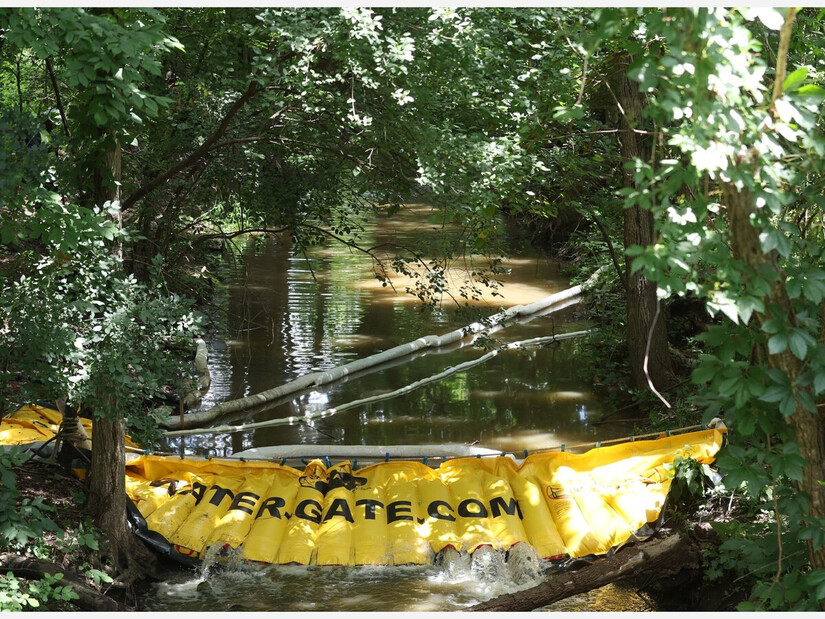
In June, the wind toppled a DTE pole on the 1300 block of Woodland Drive. 80 gallons of Dielectric fluids spilled into a storm drain and into the Wood Outlet Drain.



Sunny, with a high of 69 and low of 49 degrees. Sunny during the morning, overcast during the afternoon and evening, clear overnight.





Did they announce if they’re doing the 1 mile run down Michigan avenue?


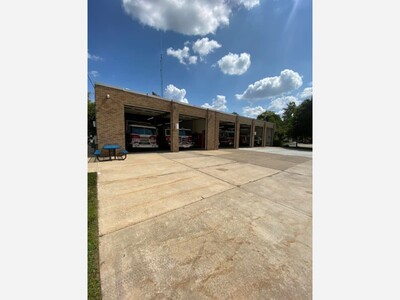
If this mileage passes, has the City of Saline, for example, committed to reduce their millage by 2.0 that they no longer
need to send to the Fire Department?
It should be stated that this mileage is going to raise the taxes for many homes by $800 per year (based on a $250K SEV). There has been no commitment that the 2.0 mil that currently exists will be replaced even though it is alluded to. That is a huge increase.
The Fire Dept. likely does have unmet needs. We have been in meetings where the Fire Chief has spoken and our impression has been that he is not fully transparent, massaging information to present a case to achieve what he wants rather than solidly and transparently defining reality and options.