
 65° and Sunny



Image

On Thursday, the City of Saline reported on its Facebook page that it overused the chemical potassium permanganate while treating its water. The chemical is used to facilitate the removal of iron from drinking water.
"This chemical, potassium permanganate, is certified for use in drinking water treatment and the only adverse effect is aesthetic. It gave a slight pink tint to the water. If you notice this situation, running of the water will clear it up quickly," the notice read.
Bill Briggs, supervisor of water and wastewater for the city, explained a little more.
"While the work was being done, the plant was shut down suddenly, and the potassium permanganate continued to feed briefly before shutting down," Briggs said, explaining the excess chemical. "The amount was very small but potassium permanganate has a strong color with it. We know it was small, partly due to people reporting a pink tinge in their water. It is not harmful at these very low amounts."
Ingesting the chemical at high levels can cause health issues.
Read More:
Potassium-Permanganate-Guidance-and-Risk-Assessment-.pdf
Pink hazardous drinking water plagues Shelby, Iowa


Overcast, with a high of 65 and low of 57 degrees. Don't forget your umbrella! Patchy rain nearby for the morning, light rain for the afternoon, light drizzle in the evening, overcast overnight.


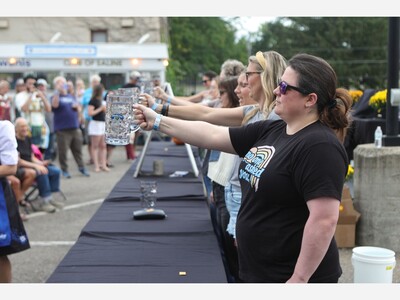
Has anyone else ever commented on why they have Octoberfest in September?








Did they announce if they’re doing the 1 mile run down Michigan avenue?