53° and Clear



Image
DTE Energy plans to file a $474.3 million electric rate increase request with state regulators on April 28. If approved, that would mean roughly $20 extra per year for each of its 2.3 million electricity customers. After last winter’s bills, even that feels like a cheap punch below the belt.
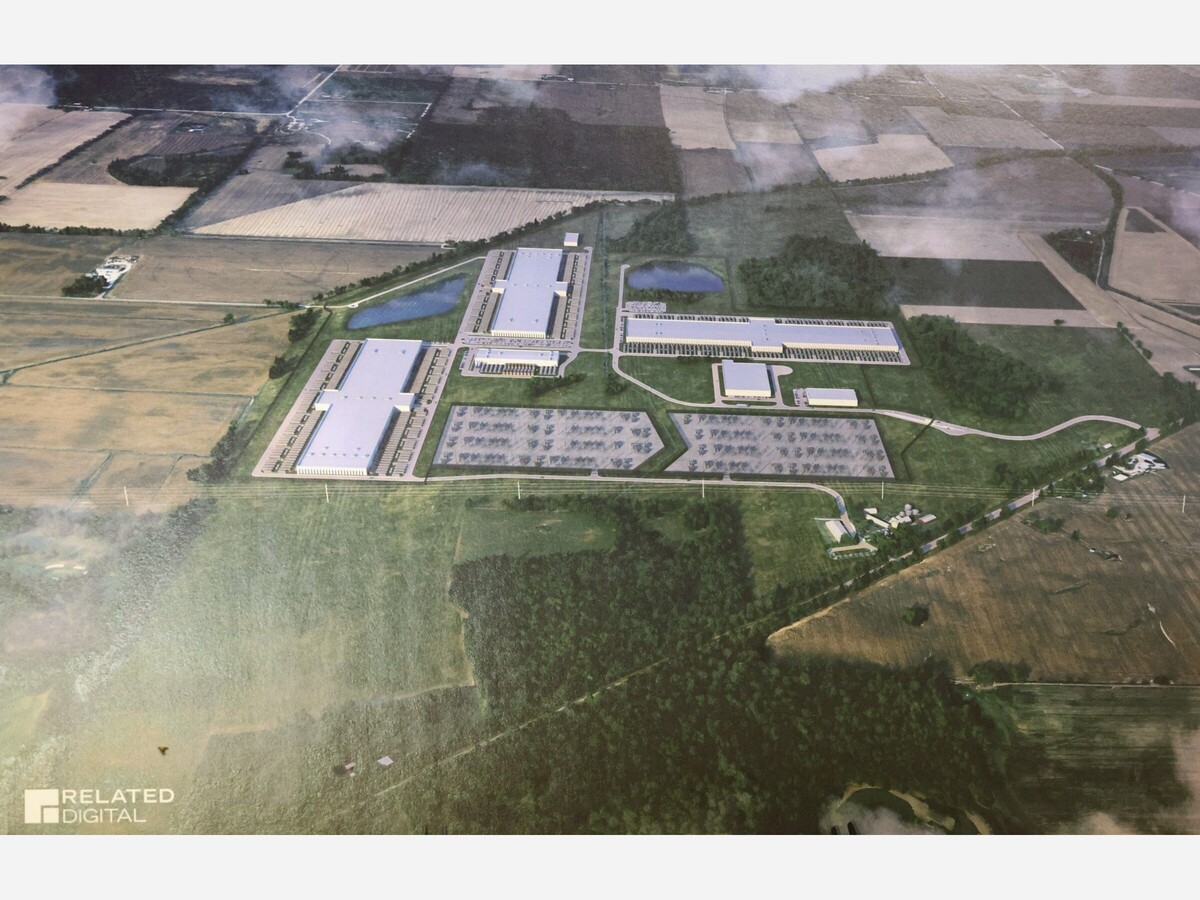
At the same time, as we see and hear every day, a hyperscale data center is coming to Michigan. Last week, Related Digital announced it secured financing from Blackstone for its $16 billion “The Barn” campus in Saline Township. The developer highlighted community benefits: 2,500 union construction jobs, millions in new tax revenue for the township, county, and schools, $14 million for local fire and community funds, a closed-loop water system, and 750 acres of preserved open space, farmland, and wetlands.
All of that sounds nice on paper. But the deeper question remains: What’s in it for the rest of us?
Similar projects are raising alarms elsewhere. One proposed data center in Utah would consume more electricity than the entire state. Michigan is walking the same path. These facilities demand reliable power, 24/7/365. That pressure lands on ratepayers when utilities justify the next increase by pointing to “growing demand.”
I’ve been arguing with Grok—the AI I’m using right now—about this stuff for weeks. I’m impressed by what these systems can already do, yet constantly struck by their mistakes. That mix of power and unreliability makes me wary of trusting them with life-or-death decisions in medicine. More broadly, the economic story around AI feels like the same sales pitch we heard for decades about free trade with low-wage, loosely regulated countries: “Everything will get cheaper.” The reality for many working Americans has been more mixed.
Ask AI what it will do for ordinary people, and you get the usual list: productivity gains, new industries, lower costs “eventually.” Will it reduce my car payment? Cut health insurance deductibles enough that coverage is actually usable? Put more money in the average Michigander’s pocket? The honest answer, even from Grok, is usually no—at least not directly or anytime soon. The clear winners so far are the salespeople and the emerging class of AI billionaires.
So when a $16 billion data center complex arrives in Saline, the question isn’t just whether it creates construction jobs or tax revenue. It’s whether the long-term burden on our grid and our bills is worth it—and who actually captures the upside. DTE is promising no additional rate requests until at least 2028 if the data center comes online as planned and other approvals go through. But customers still face this round of higher bills first.
This growing tension helps explain the appeal of public power efforts in places like Ann Arbor. If private monopolies keep raising rates to support hyperscale computing, maybe municipalities or the state should take more direct control. But that brings its own risks. A state board would still answer to the governor. Without real structural reform and accountability, we’d trade one set of political appointees for another.
The deeper issue is philosophical: What do we, as citizens, actually expect from our utilities? Reliable, affordable power for human needs should come first—not as an afterthought to serve the insatiable appetites of data centers. We deserve transparency about how much new demand is coming, who benefits most, and who truly pays.
Michigan can welcome economic development without surrendering control of its energy future. Before we commit to more gigawatts, we should demand clear answers to a very simple question:
As we imagine massive, barely human developments, do we need to rethink the public utilities that serve us?

Off you go first thing into the world of more government control. Government run power systems shouldn't even be on your mind. DTE is a private company, government regulated. Even that is ripe for corruption. How is the government run water monopoly doing? Think of Flint, Michigan and even little Saline. It's all ripe with at worst corruption and at best incompetence. One answer (that you didn't mention) is to let the AI data centers run their own power plants so they are not putting pressure our power grid. Let them invest in solar power, Chinese batteries and wind farms (why that is not an option is obvious). Of course our electric power rates are going to increase for us peasants. AI data centers are not here to make our lives better, they are here to record and control our every move.
Apart of the book of Revelation. We are living in it


Sunny, with a high of 67 and low of 50 degrees. Overcast in the morning, sunny in the afternoon, clear for the evening, cloudy overnight.


Tell us about a time when you made a decision that you later realized was wrong...The answer to this question is to reveal how intellectually premeditated the person answering is.
Long overdue for change at city hall and that starts with the Mayor. I’m voting for McVey!
The challenger for the Mayors role was on the Saline Area School Board for many years. When he joined the Board, The Saline Area School District was the #7 rated High School in the State. While he served in Leadership of the School Board, the High School fell thirteen places to 20th.
Come on man, Michigan has approx 1,259 high schools. A drop from 4 to 17 is insignificant in these subjective rankings. Saline is still very much a top notch school, for you to say otherwise is unreasonable