50° and Overcast



Image
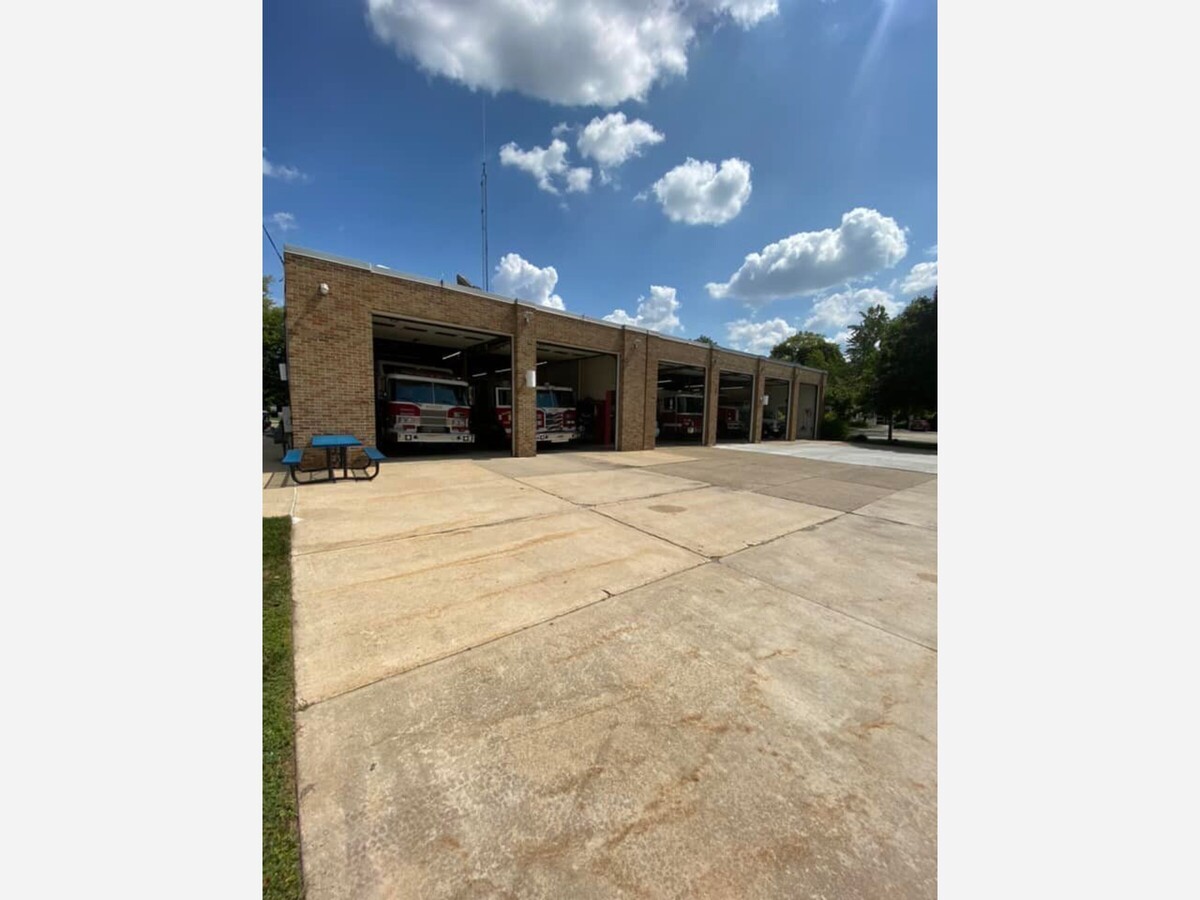
Article Submitted by the Saline Area Fire Department
Saline Area Fire Authority Millage Explained
Why is the Saline Area Fire Authority seeking a millage?
On November 3, 2026, voters in the City of Saline, Lodi Township, Saline Township, and York Township will be asked to consider a 2.98 mill fire protection millage to fund the Saline Area Fire Authority.
The Fire Authority is currently funded through annual contributions from the four municipalities it serves. While this funding model has supported operations for many years, it has not kept pace with community growth or the increasing demands placed on emergency services. As a result, necessary capital improvements have been delayed, equipment replacement has been deferred, and long-term planning has become increasingly difficult.
The proposed millage would create a dedicated, transparent funding source that goes directly to the Fire Authority and can only be used for fire and emergency services. This would provide a more stable and sustainable funding model while allowing residents to directly determine the future level of service provided by their fire department.
What are we currently paying?
Currently, each municipality contributes to the Fire Authority using a funding formula based on adjusted taxable values. Because the Fire Authority does not receive tax revenue directly, funding must first go through municipal budgets before being allocated to the department.
This means that when new development occurs and generates additional tax revenue, those funds do not automatically flow to the Fire Authority. Instead, the department must rely on annual budget approvals from all four municipalities.
If the millage is approved, all property owners in the service area would pay the same fire protection millage rate, and those funds would go directly to the Fire Authority.
Today's funding level is roughly equivalent to 2.0 mills. Therefore, the proposed 2.98 millage is not the equivalent of adding an entirely new 2.98 mills but rather represents approximately 0.98 mills above the current funding level while creating a dedicated source of revenue for fire protection services.
The millage would also improve transparency because every dollar generated could only be used for fire department operations, equipment, staffing, facilities, and emergency response services.
What about the data center tax revenue?
The proposed millage rate was developed with anticipated tax revenue from the data center project and other future growth in mind.
That additional taxable value is one of the reasons the proposed rate remains below 3 mills. Without that anticipated growth, a higher millage rate would be necessary to generate the same level of funding needed to maintain and improve emergency services.
It is important to note that if the millage is not approved, the Fire Authority does not directly receive revenue generated by future development projects, including the data center.
What is wrong with the current funding system?
The Saline Area Fire Authority recently completed risk assessments and participated in an operational study conducted by a nationally recognized consulting firm.
Both evaluations identified several key challenges:
The studies recommended transitioning to a millage-based funding model to provide long-term financial stability and improve future planning.
The Fire Authority will protect 109 square miles from a single station and staff only four firefighters per day. The study identified a need for additional personnel and future expansion opportunities to better serve the growing community.
The proposed 2.98 millage will not immediately achieve all recommended staffing and facility goals. However, it represents a significant step toward improving emergency response capabilities while remaining financially responsible to taxpayers.
What is the Saline Area Fire Authority?
The Saline Area Fire Authority is the fire department serving:
Because the department serves multiple municipalities, no single community operates or controls the organization. Instead, representatives from all four municipalities work together through a joint governing board to establish budgets and policies.
Earlier this year, the department and its municipal partners transitioned from an interlocal agreement to a formal authority structure. This change allows the Fire Authority to receive tax revenue directly if approved by voters and expands eligibility for state and federal grant opportunities.
The governance of the department remains unchanged. Each municipality continues to have representation on the Fire Authority Board, ensuring local oversight and accountability.
This transition simply creates a more effective funding structure that allows fire service funding to be dedicated directly to emergency services rather than competing with other priorities within municipal general funds.
How would the millage benefit residents?
If approved, the millage would:
Most importantly, voters would have a direct voice in determining how their fire department is funded and supported.
Where can I get more information?
Additional information is available at www.SalineFire.com.
Residents are also encouraged to stop by the fire station and speak with firefighters. If the station doors are open, you are welcome to come inside and learn more about the department and the proposed millage.
Upcoming Community Events
Coffee with the Firefighters
Join firefighters for an informal conversation, ask questions about the millage proposal, and learn more about the challenges and opportunities facing your local fire department.
Open House
Tour the station, view fire apparatus and equipment, meet your firefighters, and learn more about the services provided by the Fire Authority.

If this mileage passes, has the City of Saline, for example, committed to reduce their millage by 2.0 that they no longer
need to send to the Fire Department?
It should be stated that this mileage is going to raise the taxes for many homes by $800 per year (based on a $250K SEV). There has been no commitment that the 2.0 mil that currently exists will be replaced even though it is alluded to. That is a huge increase.
The Fire Dept. likely does have unmet needs. We have been in meetings where the Fire Chief has spoken and our impression has been that he is not fully transparent, massaging information to present a case to achieve what he wants rather than solidly and transparently defining reality and options.
Tax distribution and millage detail in the article is concerning, would think particularly so for folks in other communities serviced by Saline. So, their taxes assigned to the Fire Department may not have been directed by Saline in their budget process for actual support of the Fire Department? What happens now? Will the millage only increase their taxes by a percentage equaling 0.8 (since they already contributed to the 2.0 that Saline elected to allocate to the Fire Department or will Saline be free to continue to utilize their portion of the 2.0 previously allocated to the Fire Department as they please (as they apparently have been doing with those tax dollar)? What about Saline residents? For all, will that 2.0 previously allocated now become 1.0 or zero with Saline free to use those funds contributed by all serviced by the Fire Department they previously funded?
Either the article is not clearly defining the process and implications or there are significant flaws and unanswered questions here.



Sunny, with a high of 67 and low of 46 degrees. Cloudy for the morning, sunny in the afternoon, clear for the evening, overcast overnight.