39° and Clear



Image
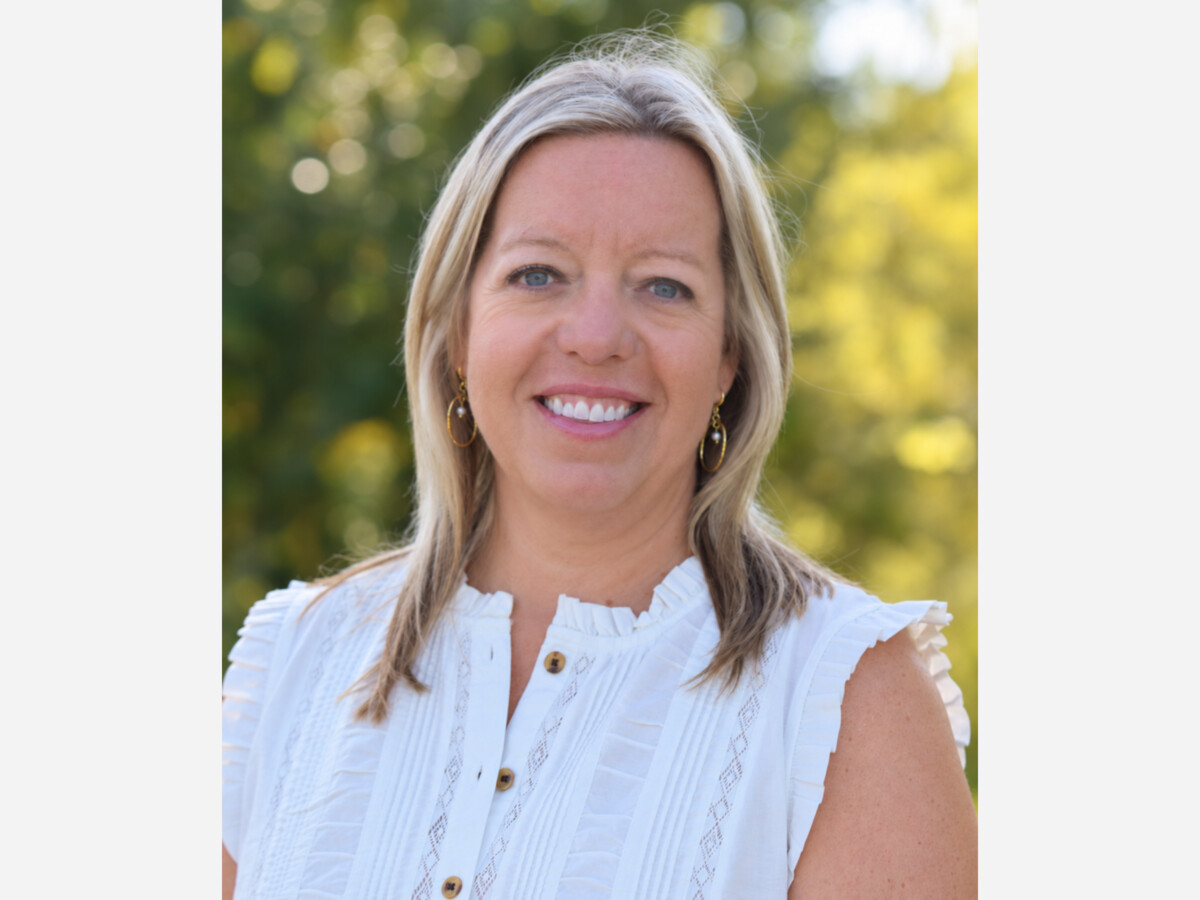
Saline Area Schools voters will elect four Board of Education members on Nov. 3: three four-year seats with no incumbents, and one two-year seat.
Running for the four-year seats are Carl Spina, Afifa Corrigan, Christy Lillie, Matt Shoemaker and Andrea S. Roe. Running for the two-year seat are Charlie Hirst, incumbent Tim Austin and Deandre J. Calbert.
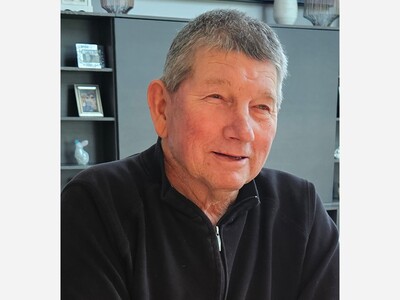
In this article, Andrea S. Roe responds to the same questions so voters can compare their views.
Name: Andrea S. Roe
Biography:
I am a small business owner and CEO of Baker Street Properties, where I run the business day to day with an annual budget of $1 million and nine employees. I had the privilege of serving as PTA president at Woodland Meadows Elementary from 2022 to 2024. My most rewarding role is as the parent of twin 6th graders who attend Saline Middle School.
Why do you want to be on the board of education?
Saline is an excellent district, and I want to help keep it that way. As a parent and former PTA president, I've seen how decisions made at the board level shape what happens in our schools. The board's role is to work with the superintendent, approve the district's budget and establish priorities and policy. When those are clear, our educators and administrators can do their best work. I would bring a practical, community-minded approach to that responsibility.
Why should voters elect you?
I spend my working week balancing the needs of people whose interests don't always line up: owners, tenants, staff and contractors. My job is to listen carefully, understand the tradeoffs and find a path forward that works for as many people as possible. I would bring that same approach to the board. I want to work alongside the current members and our superintendent, build on what's already working and find common ground so we can reach agreements that serve our students. I'll come to the table prepared, listen before I respond and work hard in service of our district.
At the district level, what are the three issues you care about most? What changes would you like to see in these areas?
First: Class size and student behavior. These are the issues I hear about most, and they seem connected. When classes reach 28+ students with a wide range of needs, one adult can only do so much. I'd like to see smaller classes where the strain is greatest, and help in the room when it's needed.
Second: Following through on the strategic plan. The board adopted the Compass and Strategic Plan in August. I support the plan and Superintendent Kowalski's leadership in carrying it out. The board also has an important role in monitoring progress and making that progress visible to the community. Parents should be able to understand what the district is working toward, what progress is being made and where challenges remain, without having to personally know someone in leadership.
Third: Technology and AI in the classroom. The district's new cell phone policy was a good first step toward setting clearer boundaries around technology use in our classrooms. But technology is changing quickly, and the district needs a thoughtful approach to what belongs in the classroom, especially for our littlest learners. As tools like AI become more common, we need clear expectations for when technology supports learning and when it distracts from it.
How would you describe the current state of Saline Area Schools?
Strong. We have excellent educators, a healthy financial position and significant investments in our schools underway. The projects funded through the 2022 bond added 25,000 square feet to our districts with several recently completed. I have seen firsthand how the new middle school STEAM room has been engaging our students and creating new opportunities for learning.
Our new preschool building on Hines Road is another project we can look forward to. The renderings presented at the most recent board meeting were beautiful and exciting. It will give Saline families even more support for our youngest Hornets and may bring new families to our community. The foundation is solid. The work now is to make sure we're getting the results we intended, understand where we still have gaps and keep improving from there.
Hypothetical: The district learns it will have a one-time $10 million fund to spend. What are your priorities for spending it?
Because this would be one-time funding, I'd want to use it for investments that create lasting value without creating costs the district can't sustain once the money is gone. My priorities would be:
Support in the classroom where pressure is greatest. I would want the board to look first at the grades and buildings where large classes and high student needs are putting the greatest strain on educators. One-time funding could provide targeted support and other investments that make those classrooms more manageable. Any permanent staffing increases would need a sustainable source of funding beyond this one-time fund.
Removing barriers to access. Fees, transportation outside the school day and equipment costs can keep students from fully participating in opportunities available through their schools. I would look for one-time investments that reduce those barriers over the long term, while being careful not to create programs we couldn't continue to fund.
Facility investments that prevent a bigger cost later. A one-time fund is also an opportunity to get ahead of maintenance and infrastructure needs before they become emergencies. Addressing aging systems and known problems early can extend the life of our buildings and equipment.
I would want these priorities informed by the people closest to the work, including our educators, staff and families, so we understand where a one-time investment would make the greatest difference.
There's a tough issue, and your opinion does not match public opinion. When it comes down to it, do you stick to your guns or vote in line with the public?
Board decisions aren't really about what any one member thinks. They are shaped by law, policy and what's best for the district. Most of the board's work isn't about personal opinion at all. I think an effective board member should come to the table without an agenda and start by listening. If the community and I see an issue differently, I want to understand why, since there may be a perspective I'm missing.
Every decision comes with a cost, whether to our students, educators, families or the budget. I would weigh the cost of every decision seriously against its benefit. If I believe a different vote is right for our district, I would cast it and be open about how I got there. Even when people disagree with a decision, they deserve to understand the reasoning behind it.



Sunny, with a high of 67 and low of 42 degrees. Sunny for the morning, clear in the afternoon and evening,