47° and Overcast



Image
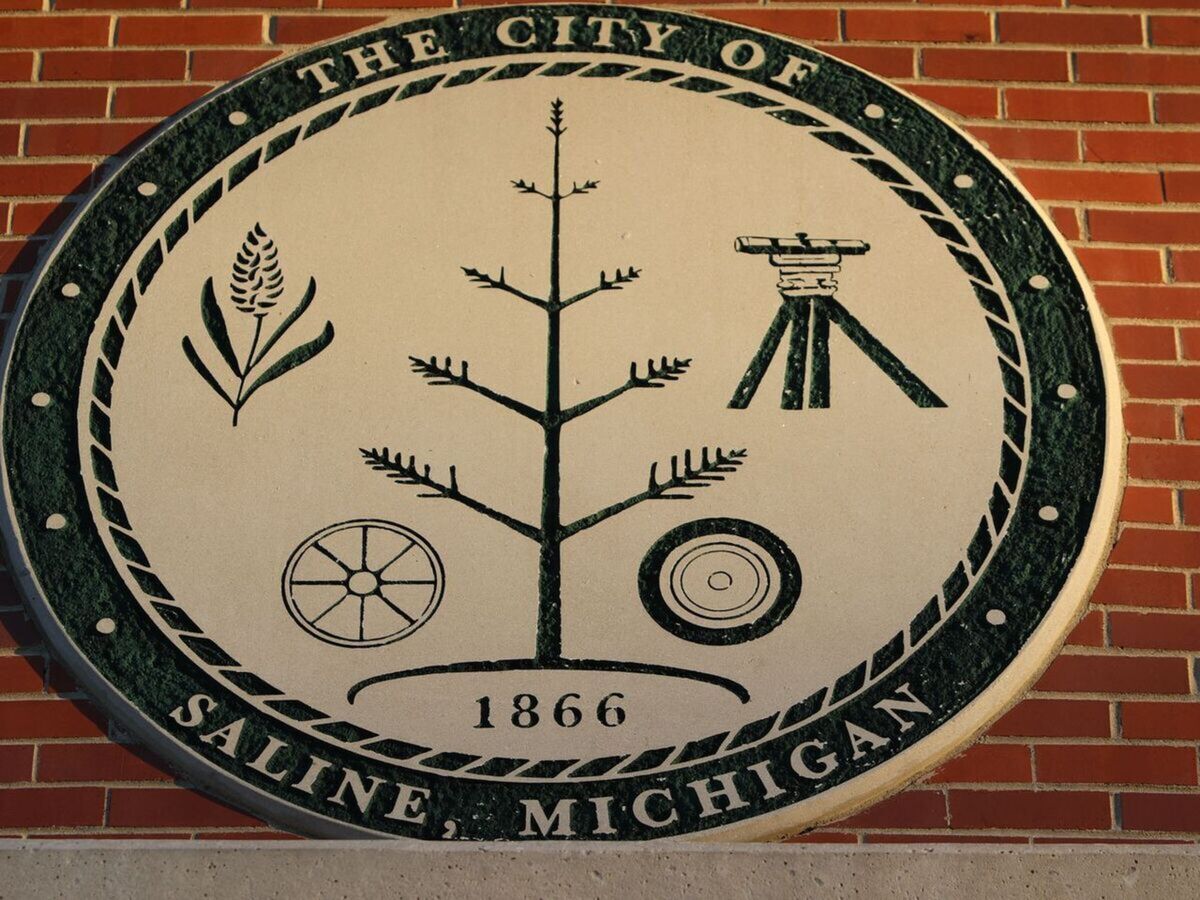
Saline City Council voted 5-2 to adopt a new background check policy and procedures.
Mayor Brian Marl and Councilors Tramane Halsch, Janet Dillon, Dean Girbach and Jenn Harmount voted in favor of the policy. Councilors Jim Del'Orco and Nicole Rice were opposed.
The policy governs background checks for members of civic commissions and boards. Among other things, it asks applicants for the positions to consent to the release of information. The form asks applicants if they've ever been convicted of a misdemeanor and to explain the details. It also asks whether applicants have been convicted of a felony or are currently facing pending charges.
Background checks for applicants with criminal records will be done by the HR Director in consultation with the Police Chief and City Manager. All three must be in unanimous agreement with a decision to move an application forward. The policy also has an appeals process.
Councilor Dillon noted that members of council will not be privy to information,
Mayor Brian Marl said coming up with a policy in this area has been a lengthy process that dragged on longer than anyone wished. He said he appreciated the work of staff, legal counsel and the three council members on the policy committee. He said it was important to appoint people to appoint people of the highest standard.
"I don't think this policy is perfect, but I do think it is a substantial improvement to what currently exists," Marl said. "If there are opportunities to improve or modify or amend it in the future, this body should pursue those opportunities. I think making sure that we are reducing risk and liability and appointing people who hold themselves to a high standard of integrity and character is absolutely essential."
Councilor Dell'Orco said he appreciated the work that went into the policy but that he couldn't support it.
"We already have Michigan Compiled Laws that govern a fair bit of our commissions and boards as a legislative body. I feel that this is going too far. It could be construed that it is extending beyond what's provided in public policy," Dell'Orco said. "I also think the policy will invariably impair our ability to recruit members of the public to serve on boards and commissions. This is a problem we already struggle with."


Overcast, with a high of 55 and low of 39 degrees. Sunny in the morning, overcast in the afternoon, clear overnight.