56° and Partly Cloudy



Image
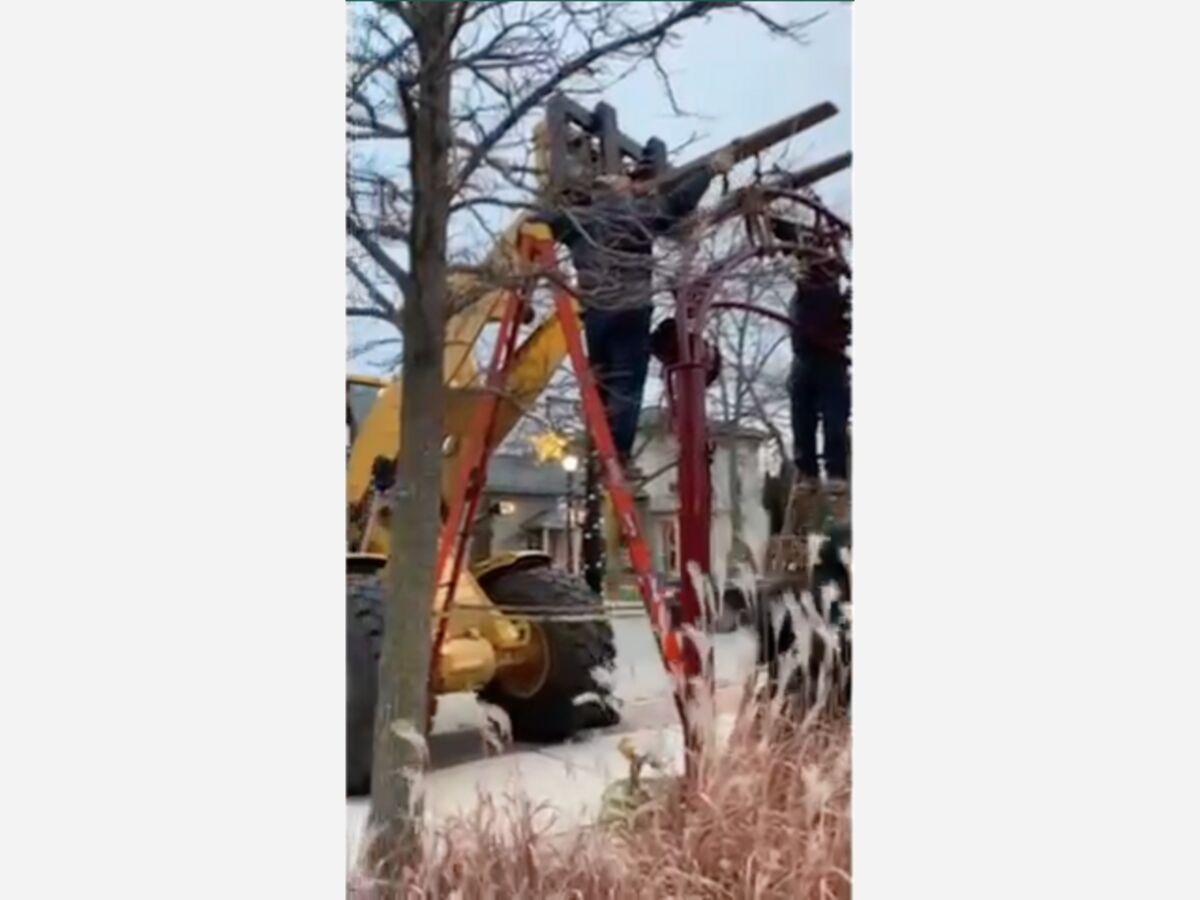
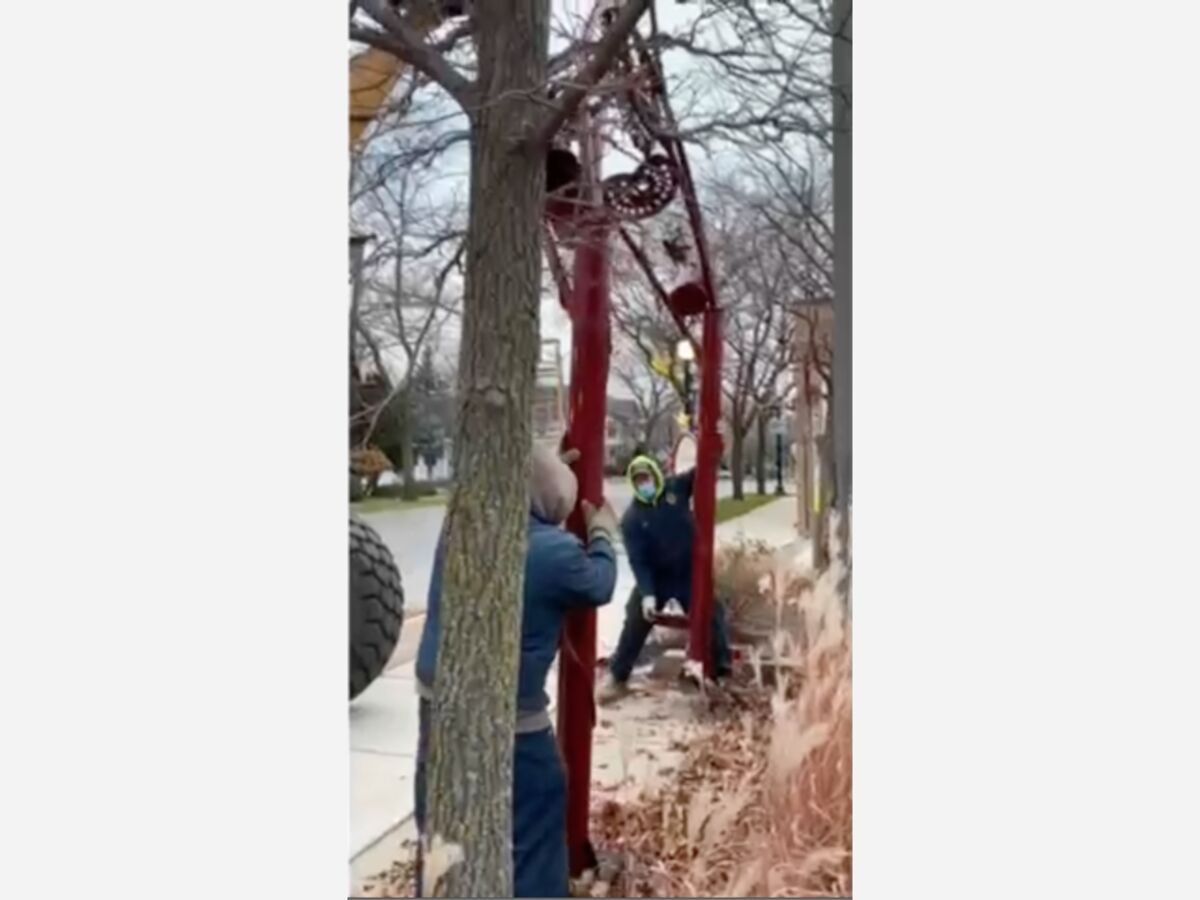
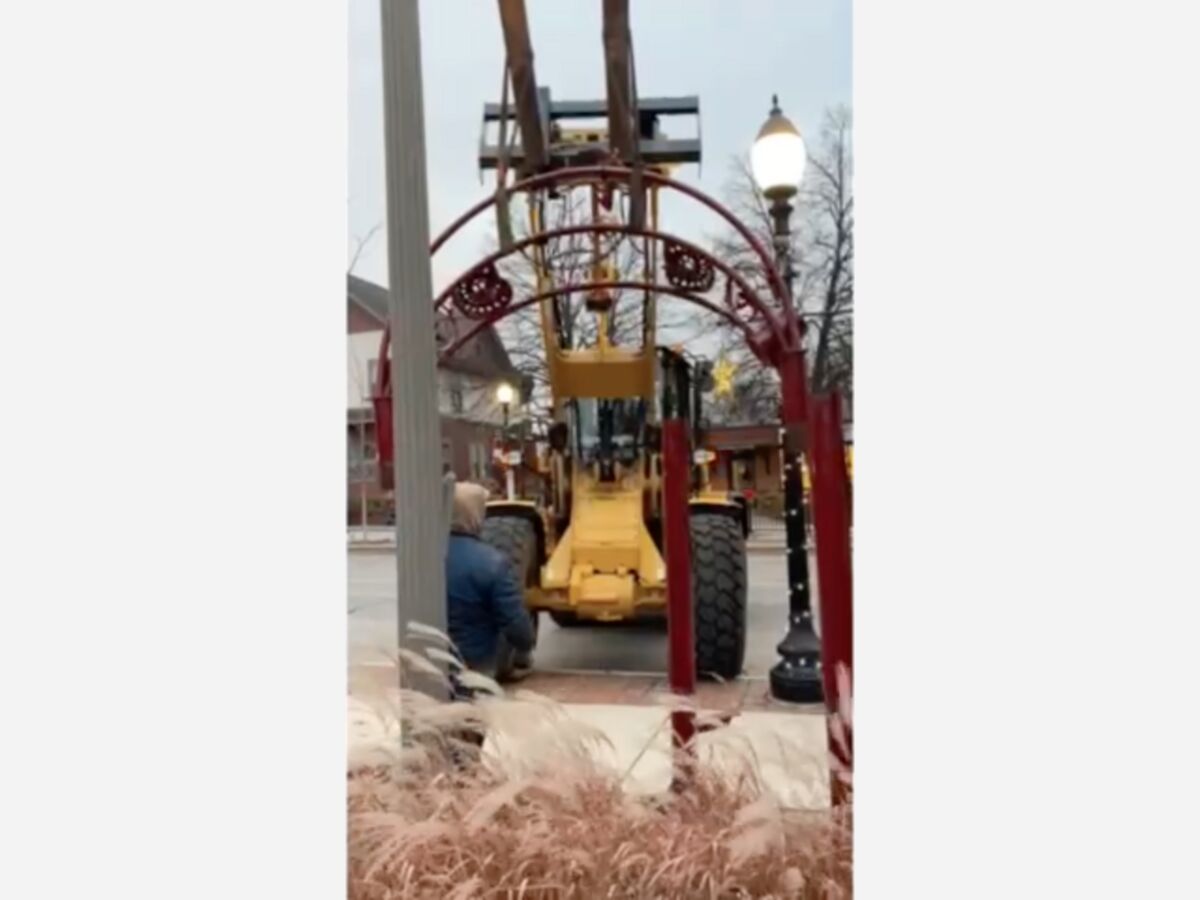
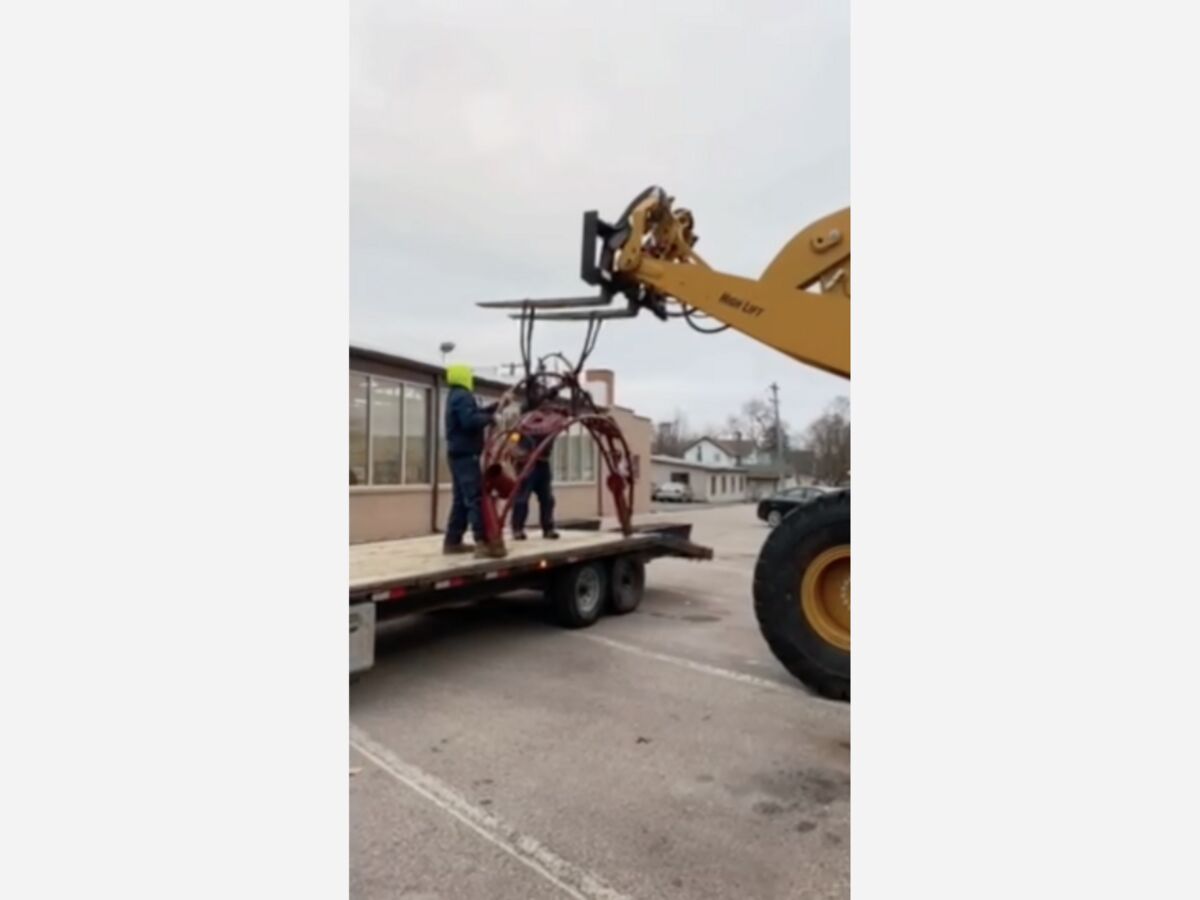
The Department of Public Works was busy Monday morning. Around 8:00 A.M. they removed the public sculpture, Seats of Our Heritage, by the public parking lot in the 100 block of North Ann Arbor Street.
First installed in 2011, the work has fallen prey to the elements in recent years. The Art and Culture Committee, which currently oversees its maintenance, noticed rust developing on the sculpture in 2019. After exploring options to sandblast and repaint the sculpture, they contracted with RMC Power Coating and Restoration in Manchester.
"They'll do a primer coat first, and then apply the powder paint to each individual piece, which will go in their oven so the paint can "bake" and create a hard, durable finish," explained Katherine Downie, a member of the Art and Culture Committee who is overseeing the project. "Then they'll finish off by sealing the sculpture and making sure it's more rust-proof than before," she added, noting that the company will make some slight modifications to the sculpture to help it shed water and prevent future water build-up.
Seats of Our Heritage was created by Chelsea artist, Rick DeTroyer, who repurposed old tractor seats, gears, and tools into a sculptural bench reflecting the centuries of farming around the community: from horse-drawn power to diesel power. A year after its installation, the city hosted a sculpture walk; DeTroyer temporarily loaned additional work for that endeavor.
The sculpture is slated to be reinstalled once the sculpture has been refurbished.



Overcast, with a high of 61 and low of 45 degrees. Overcast in the morning, partly cloudy overnight.