27° and Clear



Image
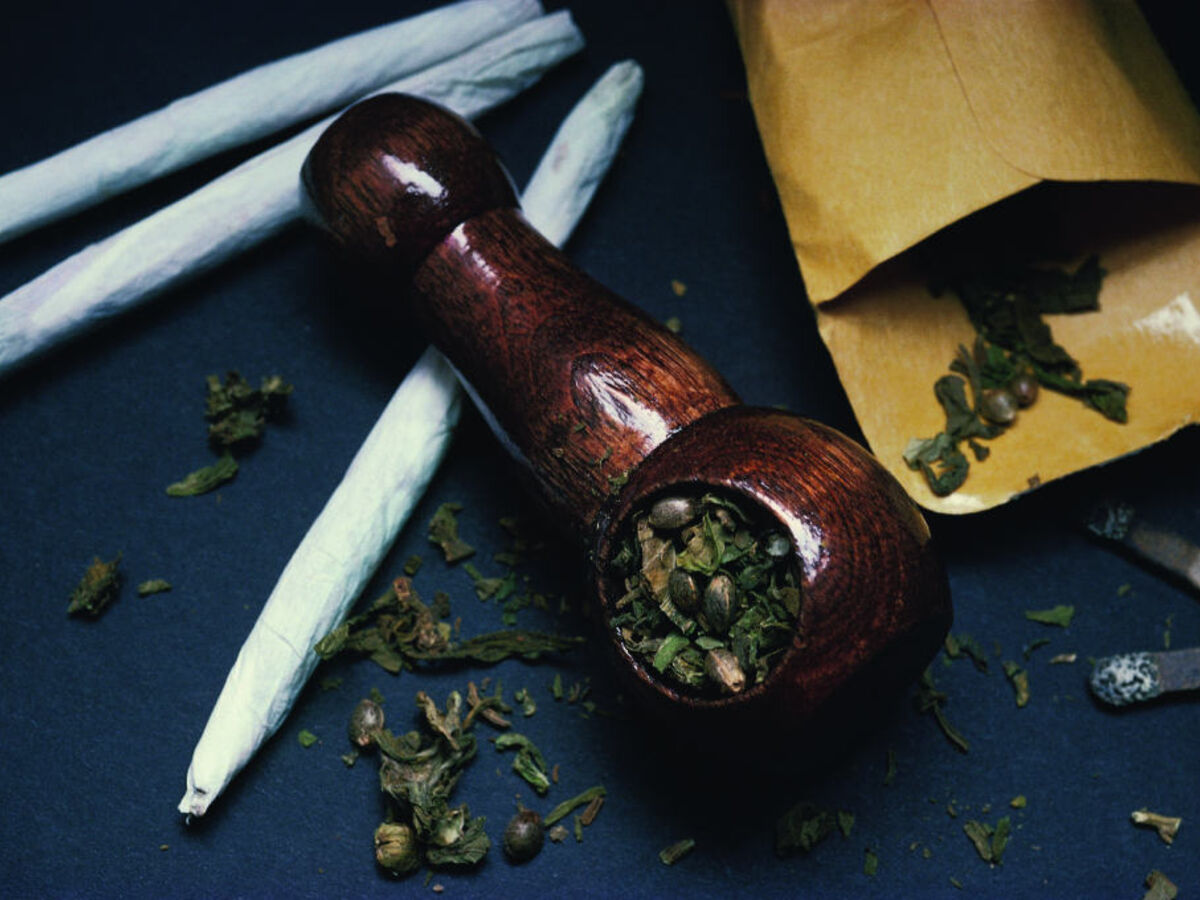
How might the City of Saline react of Michigan voters choose to legalize recreational marijuana?
Attorney Nicholas Curcio, of the city’s law firm, Dickinson Wright, outlined what passage of the measure might mean for the city at the June 18 city council work meeting.
Curcio told city council municipalities might have the ability to choose whether they allow or prohibit marijuana retailers and microbusinesses.
Among other things, the proposal would:
City officials who spoke at Monday’s meeting appeared cool to the proposal.
Police Chief Jerrod Hart voiced a couple concerns. Hart said he’s worried about police staffing levels. The Saline Police Department has 13 officers. Hart is worried that since banks are not permitted to take funds, marijuana operations will be a target for thieves.
“There would be a lot of cash floating around the community. For some elements, that will create opportunities,” Hart said.
Hart said transporters of marijuana could also cause safety concerns.
“Federal law prohibits weapons when transporting marijuana. They (transporters) wouldn’t be able to protect themselves with weapons and could be vulnerable,” Hart said.
City Councillor Jack Ceo, who spent a career in law enforcement, voiced several concerns. He’s concerned about more stoned drivers on the road.
“Stopping stoned drivers won’t be easy. There are no readily available and reliable road-side tests that I’m ware of that measure the amount of THC in the blood stream,” Ceo said.
Chief Hart agreed, noting that he’d seen a survey saying that 55 percent of people who smoked pot felt that it was safe to drive two hours after smoking.
Ceo pointed to Colorado crime rates rising faster than the national average since the state legalized pot.
“It’s a high cash business. I would worry about organized crime units moving in to take over,” Ceo said, adding that he questioned whether the promises of greater revenue will materialize.
Mayor Brian Marl said he has similar concerns about the ballot proposal.
“None of us are ever required to prove a negative. I don’t have to prove this won’t be good for the state. Proponents have to prove there are tangible benefits of this passing,” Marl said.
Marl said he supported the use of medical marijuana, saying there was overwhelming evidence suggesting its benefits for treating medical conditions.
“The way we distribute or access it is up for debate,” Marl said.

Sunny, with a high of 63 and low of 32 degrees. Sunny in the morning, clear in the afternoon and evening,
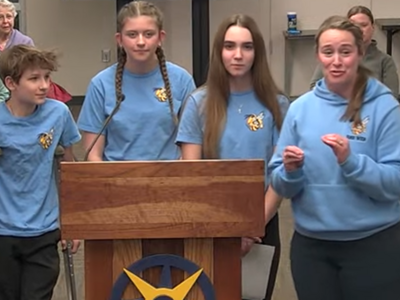

Nice idea. Thank you to the kids who support this. Seems a bit of diversity in the make-up of the kids leading the group would go a long way to making "everyone" feel welcome. Sadly, not seeing it, at least in what is presented here.
Awful, racist perspective. There is nothing wrong with the "make-up" of these four kids.
Not saying there is anything wrong with those four kids. Really appreciate what they are doing and think it is great. Hardly find it racist to think having folks representative of other "groups" leading the group would go even further to making everyone feel welcome.


As we noticed the rapid deterioration and indentation of the road from all of this truck traffic, which presumably will only get worse as the weather and road surface gets warmer, we have wondered just who is responsible for the cost to repair/replace these roads?
Did anyone ask the nearby residents if they want a party palace in their neighborhood? Traffic, parking, crowds, trash, noise: was any of this considered when making this decision?
The organizers are required to submit an application to the City of Saline for this event. If you wish to provide input, comments can be sent to the City Clerk or made in person at anytime or more specifically when their application appears on the council agenda.
Providing input just like the data center had input given. When a decision is made around here, it has already been made.