51° and Clear



Image

Citing the "dire need for a new well," the City of Saline is using emergency procurement protocols to advance the drilling of a new drinking water well.
One of the city's wells, Well 4, recently failed. The city has approved the expenditure of $172,500 to pay Peerless Midwest to replace Well 4 with a new well, Well 7.
It may still be months until the well is drilled as the city is waiting for approval from the Michigan Department of Environment, Great Lakes and Energy.
City council approved the expenditure by unanimous vote Monday.
Bill Briggs, Superintendent for the water and wastewater systems, said the new well will be drilled just a bit north of the well it is replacing.
Councillor Dean Girbach asked Briggs to explain, for public knowledge, what happened to Well 4.
Briggs explained their was a 20-foot long split in the casing of the well. Peerless was contracted to try and repair the well with a sleeve. Grout used during the process managed to find its way to the bottom of the well.
"Enough had gotten there that it basically sealed it off," Briggs told Girbach. "They made an attempt to try and mechanically remove it and it just wasn't going to happen."
The city draws its water from five wells through out the city. The wells are 120 feet deep, drawing water from glacial deposits.
Briggs said the city's water production supply continues to be sufficient - but said there would be problems if another well went down before Well 7 was in operation.


Sunny, with a high of 70 and low of 49 degrees. Sunny during the morning, overcast for the afternoon and evening, clear overnight.





Did they announce if they’re doing the 1 mile run down Michigan avenue?


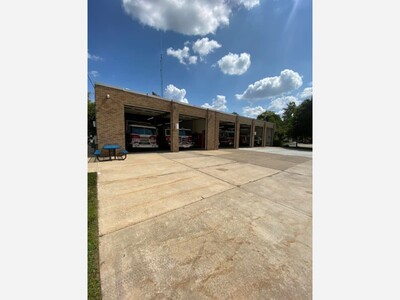
If this mileage passes, has the City of Saline, for example, committed to reduce their millage by 2.0 that they no longer
need to send to the Fire Department?
It should be stated that this mileage is going to raise the taxes for many homes by $800 per year (based on a $250K SEV). There has been no commitment that the 2.0 mil that currently exists will be replaced even though it is alluded to. That is a huge increase.
The Fire Dept. likely does have unmet needs. We have been in meetings where the Fire Chief has spoken and our impression has been that he is not fully transparent, massaging information to present a case to achieve what he wants rather than solidly and transparently defining reality and options.