57° and Mist



Image

Saline Area Schools voters will elect four Board of Education members on Nov. 3: three four-year seats with no incumbents, and one two-year seat.
Running for the four-year seats are Carl Spina, Afifa Corrigan, Christy Lillie, Matt Shoemaker and Andrea S. Roe. Running for the two-year seat are Charlie Hirst, incumbent Tim Austin and Deandre J. Calbert.
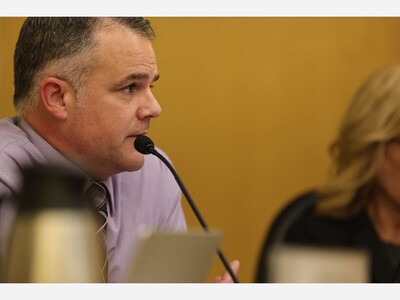
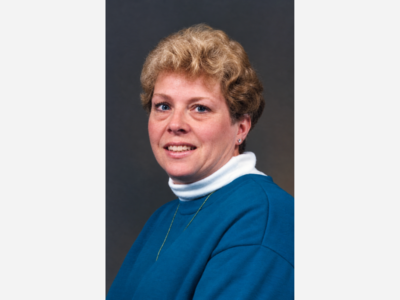
In this article, Carl Spina responds to the same questions so voters can compare their views.
Name: Carl Spina
Biography: Recently-retired teacher, coach, and union leader in Saline Area Schools
Taught English at the middle school and high school for 25 years
Coached cross country and track for over 20 years
Worked closely with district administration on employee relations, contract language, salaries, calendars, building schedules, and more as a union leader
Parent of one Saline graduate and another child currently enrolled at the high school
Why do you want to be on the board of education?
I have dedicated my professional career and much of my personal life to public education, and I still have a strong desire to serve the mission of public schools. Being a school board trustee would allow me to continue the work that has been central in my life. Also, I know the finances, students, staff, parents, facilities, and history of this district well, and I want to put that knowledge to use for the students and community.
Why should voters elect you?
I think voters should elect me because of my deep and wide knowledge of the district, particularly the finances. I have been studying the district's budget and school funding for nearly twenty years. I know where Saline’s money comes from, where we’re spending it, and the trends. That will allow me to make an immediate impact with budgeting, one of the most important roles of the board.
Also, with my knowledge of the students, families, and staff, I will understand the impact of our decisions on the people that live, work, and attend school here.
At the district level, what are the three issues you care about most? What changes would you like to see in these areas?
My first priority is to understand diverse opinions, express disagreement without being divisive, and work well with the board to represent our entire community. I want to continue the steady and balanced leadership that currently exists on our board.
I also want to ensure our spending prioritizes programming for students. We can’t become a district with a large administrative team and require teachers to lead core classes with 30 to 35 students and limit extracurricular options.
Finally, I want to strengthen the connection between the board and the needs of our support personnel, teachers, and building admin. Employee retention is a significant issue in schools, including Saline, and I want the board to better understand the root cause of the issue here.
How would you describe the current state of Saline Area Schools?
We are a district in transition, and I think the shifts are good opportunities. In just a few months, we have seen several new administrators, new administrative structures, new board policies, and a new strategic plan. The strategic plan includes sixteen promises from the administrative team, and where those are clear and meaningful, they provide good direction for the entire district. I am excited to see where these things take the district, and I also think our administrative team is committed to using data to show progress on those goals.
Hypothetical: The district learns it will have a one-time $10 million fund to spend. What are your priorities for spending it?
If spending it creates significant on-going expenses, the windfall becomes a liability, and I’d avoid that at all costs. I’d look at three avenues: catching up on deferred maintenance and repairs, and HVAC updates at our older buildings come to mind first; identifying initially expensive investments that create opportunities for students with little or no ongoing costs, like the current expansion of the Great Start Readiness Program (GSRP); and efficiencies that immediately reduce pressure on the general fund, like the solar installations and LED lighting the district funded with bond money. Each protects the operating budget or increases funds available for students, which is where our spending should be focused.
There’s a tough issue. It’s become clear that your opinion does not match public opinion. When it comes down to it, do you stick to your guns or vote in line with the public?
I don’t think a school board member can be one or the other all of the time. My job would be to understand the community’s views on the issues and take them seriously. However, the job involves using judgement, not just polling.
Some votes involve legal responsibilities, some involve principles, some are largely about community preference, and most are a combination of all of those factors. My responsibility is to understand what kind of decision the board is making, know the law and policy surrounding it, listen to people impacted by it, consider the facts and consequences, and then make the best decision I can. That’s how we make decisions that are best for students, staff, and the entire district.
That doesn’t mean I think I’m always right. Listening to people who disagree with me is a key part of the job. And when my decision and the community’s views don’t align, it’s important for me to explain why I reached a different conclusion.
My vote may not always reflect the most popular opinion, but the community will always know why I voted the way I did and that I listened to them.

Overcast, with a high of 68 and low of 54 degrees. Mist in the morning, overcast during the afternoon, patchy rain nearby overnight.