59° and Overcast



Image
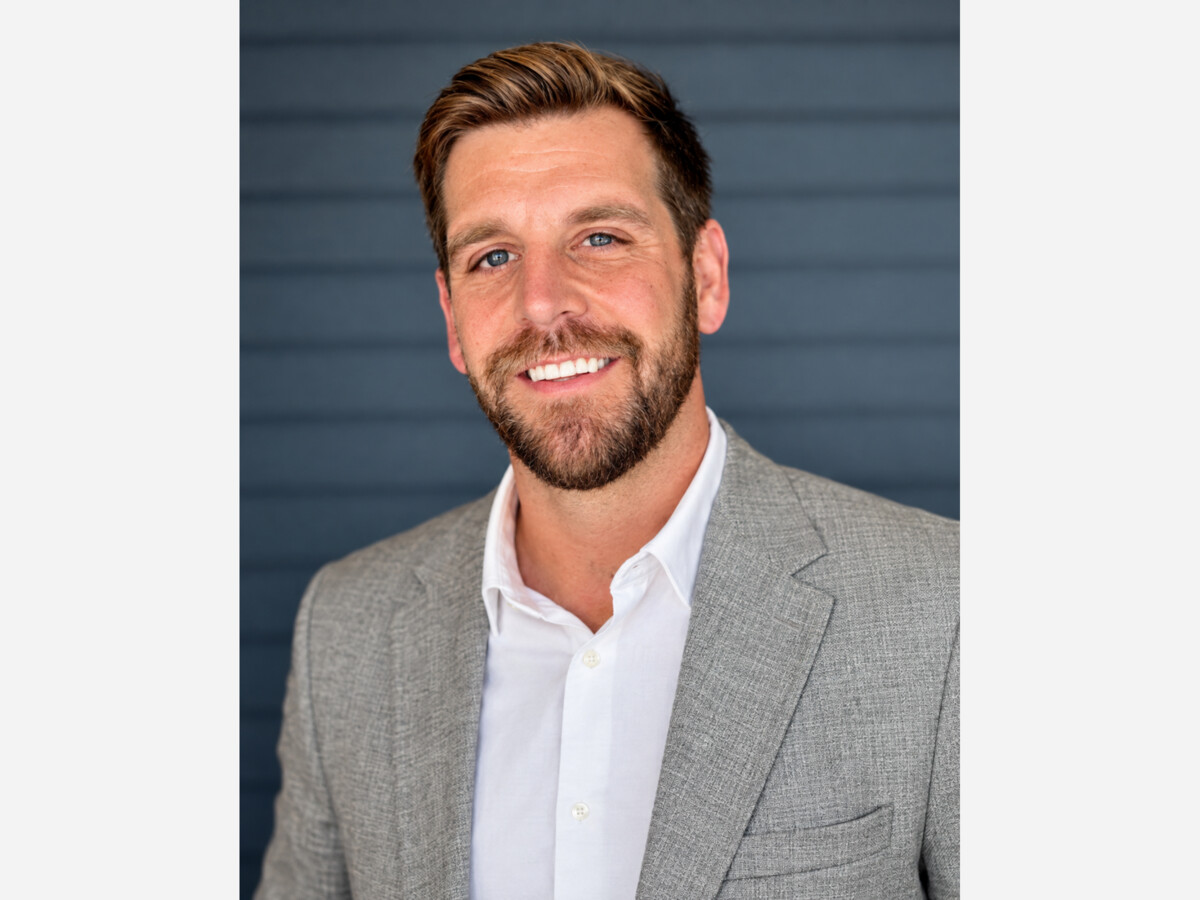
There are four candidates for three open positions on Saline City Council. Miri Weidner does not appear on the ballot because she failed to meet the deadline. Janet Dillon is the only incumbent. Bret Pollington and Daniel Burgess are also on the ballot in the race for the four-year seats.
This article features Bret Pollington's answers to our questions.
Bret Pollington
Biography
I’ve lived in Saline for four years with my wife, Jess, and our family. Before moving here, I spent much of my life in Washtenaw County, including Ypsilanti and Ann Arbor. Community involvement has been a big part of my life. I served for years on the Historic Wayne Theatre Restoration Committee, worked in community outreach and training with Working America and helped organize around issues including the Flint water crisis. Since moving to Saline, I serve on the Arts & Culture Committee, the Davenport Curtiss Mansion Work Group, and the Alpha Boards. I’m also a musician and have spent much of my life involved in local arts and creative projects. A consistent theme throughout my work has been finding ways to do meaningful things with limited resources by building relationships and finding creative solutions.
Why do you want to be on City Council?
I want to be on City Council because I care about where Saline is headed. We’re at an interesting point in our history. Saline is growing and changing, and I think we have an opportunity to make thoughtful decisions now that will determine what kind of city we are ten or twenty years from now.
I want to help keep the things people love about Saline while also making sure we aren’t afraid to try new ideas. For me, that means a stronger downtown, better connections with neighboring communities, responsible growth and making sure basic city services and infrastructure remain strong. Most importantly, I want to be someone who works with people rather than against them. City government works best when people can disagree, sit down together and still get something done.
Why should voters choose you?
I think I bring a combination of community involvement, practical experience and a willingness to do the work. I’ve spent a lot of my life working on community projects where there wasn’t a huge budget or a large staff to make things happen. You have to build relationships, find creative solutions and actually follow through.
That’s how I would approach City Council. I’m not interested in being the loudest person in the room. I want to listen, understand the issue, work with people who may disagree with me and find solutions that make sense for Saline.
If elected, what are your priorities? How will you work on them?
My three biggest priorities as a councilperson would be government transparency through government accessibility, treating our budget as a reflection of our values, and fostering an open and creative environment for solving problems.
By government accessibility, I mean making it easier for residents to understand what their government is doing, why decisions are being made and how they can participate. People shouldn’t have to understand how City Hall works before they can have a meaningful voice in it.
Secondly, I think a city budget is more than a spreadsheet. It reflects what we choose to prioritize. I want us to be honest about those choices and make sure our spending reflects the kind of community we say we want to build.
Finally, I want City Council to be a place where people can bring ideas to the table, disagree respectfully and actually work together to find solutions. We don’t have unlimited resources, so creativity and collaboration are essential.
If the City of Saline is asked to be home to a data center, what’s your response?
I am absolutely opposed to a data center in the City of Saline. We’ve already seen a data center built in neighboring Saline Township, so this isn’t an abstract question for our community. If Saline is going to grow, I want that growth to contribute to the character and economic life of the city rather than simply consuming large amounts of land and infrastructure. I would rather focus on development that brings people into our community, supports local businesses and contributes to the kind of vibrant city we want Saline to become.
The Saline City Council voted 7-0 to require trans people to use the Rec Center change room of their identified gender. Some women feel city council has taken away a safe space for women. Do you support the decision? What’s your message to a woman who feels disenfranchised by the city?
I support the City Council’s decision. I believe trans people should be able to use the changing room that corresponds with their gender identity. I don’t think someone should be singled out or forced into a separate facility because of their gender identity. The city’s responsibility is to provide a safe and respectful environment for everyone. That means enforcing rules against harassment, inappropriate behavior and misconduct, regardless of who is involved. I would not support reversing this policy. I think Saline made the right decision.
How do you feel about the state of the city?
I think Saline is in a good position, but we have some real challenges in front of us. We have a strong community, a great downtown, excellent schools and a lot of people who care deeply about this city. At the same time, we’re dealing with aging infrastructure, development pressures, housing costs, questions about downtown vitality and the challenge of maintaining quality city services as costs increase. I don’t think we need to panic about any of those things, but I also don’t think we should wait until a problem becomes a crisis. This is the time to make thoughtful decisions about what we want Saline to look like and start working toward that future.
Should the city remove the dam or preserve Mill Pond?
I support removing the dam and restoring the river. I understand why people have an attachment to Mill Pond. It has been part of the community for generations, and I don’t dismiss the concerns of people who worry about losing the pond or about what that could mean for their property. I think we need to look at the long-term picture. An aging dam isn’t something we maintain once and forget about. It requires ongoing inspection, maintenance, repairs and eventually major investment. Removing the dam means that once the project is complete, the city is no longer responsible for maintaining that aging structure. We also have a recent example in Brooklyn. The Brooklyn Dam project was completed this year after approximately $2 million in funding was assembled through government and other partners. The project reconnected approximately 42 miles of upstream fish habitat. That’s an important example for Saline because it shows that dam removal and river restoration don’t necessarily have to be, and likely won’t be, paid for entirely by local taxpayers. There are state and federal grant opportunities for this type of work. I think Saline should be looking seriously at whether we can do something similar. We should be thinking about what we want the river to be for the next generation rather than simply maintaining an aging structure because it has always been there.
Are you supportive of the Kinley development and downtown gathering space? Should the city consider zoning variances or looking the other way on parking rules to help make it happen?
Yes, I support the Kinley development and the proposed downtown gathering space. I think having a real public gathering space downtown is important to the future of Saline. We need more reasons for people to come downtown, stay awhile and spend time with one another. A space for events, music, community activities or simply sitting outside can help create that.
I also think the city needs to be willing to work creatively with developers when a project provides a clear public benefit. I’m interested in finding solutions that allow good projects to move forward while still respecting the basic standards we have established.
What would you like to see at the Davenport-Curtiss Mansion?
I’m a member of the Davenport-Curtiss Mansion Work Group and chair of its Policies and Procedures Subcommittee, so this is something I’m already deeply involved in. More importantly, we’ve already demonstrated that the property can support large public events. We held Jazz at the Mansion, which was formerly Jazz at the Park. I was able to use my work on both the Arts & Culture Committee and the Davenport-Curtiss Mansion Work Group to help move the event to the mansion when it became clear that Jazz at the Park needed a new home. Hundreds of people attended, from both inside and outside the community. We also held the mansion’s first fundraiser, the Labor Day BBQ, which brought hundreds of people to the property and raised more than $60,000 before expenses. We already know that large public gatherings are possible there, and I’d like to see us build the infrastructure to support them. That could include a bandstand, a large indoor event space with a kitchen and improved diagonal parking along the edge of the property. Maybe a play structure, and retail/restaurant space that face both into the property, and out to the street, supporting outdoor seating for restaurants and bars on the property. I imagine watching a band play with a drink in my hand on the back patio of a new restaurant while my kids play on the new play structure an earshot away. It should be said, these are my thoughts and not necessarily a reflection of the DCM Work Group’s vision. I’d also like the city to explore whether the vacant field behind Dairy Queen could be acquired and used for parking. It served as primary parking for both of the major events we’ve already held, and it could potentially serve as additional parking for future events as well as future development in that part of the city. Ultimately, I can imagine the Davenport-Curtiss Mansion grounds becoming one of the city’s central gathering places. I’d like to see it become a place where people from Saline and the surrounding communities come together for events, arts, history and community life.
What’s the way forward on the Rec Center? How much city money should fund Rec Center operations every year?
There are two major opportunities that have emerged recently. The federal government with support from Congresswoman Dingell and Senator Slotkin allocated $2.7 million for rehabilitation of the Rec Center. That funding is intended to support improvements including accessibility, energy efficiency and the preservation of the facility as a space for social, economic and recreational engagement. There is also a separate $10 million corporate commitment that could be used to update and modernize the Rec Center, set up an endowment to support future capital needs, and make improvements to our parks. I think we should take full advantage of those opportunities. I also think the Rec Center serves a purpose that is difficult to put on a balance sheet. At a time when loneliness and social isolation are major issues, the Rec Center is a connection point for many residents. It gives people a place to exercise, participate in activities, meet their neighbors and build relationships. As for annual city funding, I don’t think there should be an arbitrary number that the city commits to regardless of circumstances. We should look at the actual operating costs, revenue, programming, maintenance needs and the value the facility provides to the community. My goal would be to maintain a strong, accessible Rec Center while being responsible with taxpayer dollars. I also want to make sure we take advantage of grants, private investment and other outside funding before asking residents to shoulder additional costs.
Is the lack of retention a problem at City Hall? If so, how can the city see stabilization?
Yes, I think staff retention is something the city needs to take seriously. When experienced employees leave, the city loses institutional knowledge, and that can make everything from basic operations to long-term planning more difficult. Recent turnover in city leadership makes that particularly important. I think stabilization starts with creating a workplace where qualified people want to stay. That means clear expectations, good communication, competitive compensation, professional development and strong leadership. It also means the City Council needs to understand its role. Council sets policy and provides oversight. Staff needs to have the ability to do their jobs professionally without constantly changing direction.
What’s your vision of administrative leadership in the city? City Manager, then what? What other positions do we need? Specifically, any new positions?
I think the City Manager should remain the central administrative leader of the city, with a strong and stable department leadership team underneath that position. Before creating new positions, I would want to understand where the existing gaps actually are. I’m not interested in adding staff just to add staff. But if there are areas where the city is consistently struggling because there isn’t enough capacity or expertise, we should address those gaps. One area I think deserves particular attention is long-term planning and infrastructure. Saline has a lot of major decisions coming at once, and we need staff who can look beyond the next budget cycle and help coordinate those projects. If I had a wish list staff member, I would love to have a staff grant researcher/writer. I’m not sure how realistic that is, but it’s one of the most common issues I hear brought up on my various committee positions. Ultimately, I want a professional city government where responsibilities are clear, employees have the resources to do their jobs, and there is enough stability that we aren’t constantly rebuilding institutional knowledge.


Overcast, with a high of 61 and low of 53 degrees. Overcast in the morning,


We have a real opportunity this election for much needed change in Saline government. Marl is toxic and has never had a real job in his life. He lives off his family’s money and privilege. He’s buying new suits and expensive cigars while many are trying to afford groceries and gasoline.
Seems like you are looking to replace an effective leader who has brought us the first creation of a city center ever, brought funding to the City at the highest levels in generations with a person who has only delivered a decline in success in the School District.
It seems you have a big chip on your shoulder from your personal experience with Dr McVey.
To be fair, I also have a chip on my shoulder from many personal experiences with Marl.
We will obviously disagree which is ok.