57° and Overcast



Image
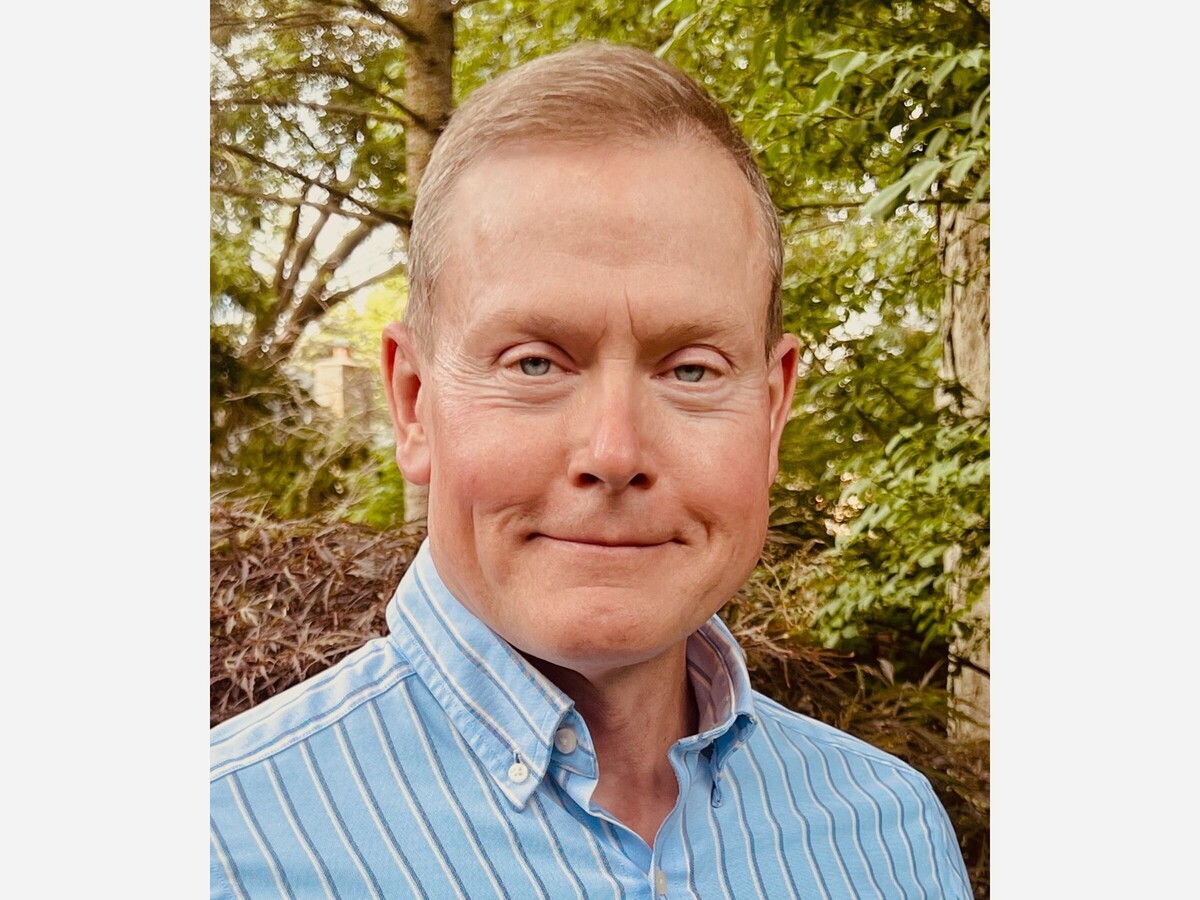
There are four candidates running for three positions on Saline City Council. Miri Weider did not meet the deadline to appear on the ballot and can only receive write-in votes. Janet Dillon is the lone incumbent. Bret Pollington and Daniel Burgess are also running for the four-year seats.
This article features Daniel Burgess's answers to our questions.
Name
Daniel Burgess, but everyone calls me Dan.
Biography
My wife, Sara, and I moved to Saline over 7 years ago. I knew when we made this our home, I wanted to be involved in the community. I began my community involvement as a volunteer for Oktoberfest in 2019. Since 2021, I have been a volunteer with Saline Main Street. In 2022, I joined the Parks Commission and the Zoning Board of Appeals. I am an active member of the Saline Rotary Club and the Saline Masonic Lodge. I work for the University of Michigan, where I support technologies used by faculty and students in support of teaching and learning. I have a B.S. with a concentration in Law Enforcement Administration, and an M.S. in Information Systems Management.
Why do you want to be on city council?
I believe strongly in civic engagement and want to serve my community.
Why should voters choose you?
I believe in a deliberative decision-making process that incorporates all views. In more than four years on the Zoning Board of Appeals (ZBA), I have consistently sought out the views of fellow board members when working through decisions. I also work to explain to residents and business representatives the factors the ZBA must consider, because I believe people should understand the process even when they disagree with the outcome. Council members should avoid decisions that appear arbitrary and make their reasoning clear, because public trust depends on it.
If elected, what are your priorities? How will you work on them?
An immediate priority is filling the City Manager position with a qualified permanent hire. The City Manager oversees city operations and major projects, including the Wastewater Treatment Plant rehabilitation and upcoming Capital Improvement Plan work. Looking ahead, the future of the Saline River Dam, Rec Center improvements supported by federal and private funding, and investment in aging water infrastructure will require careful planning and oversight. I will work to keep these priorities in focus when Council considers competing demands for limited city resources.
If the City of Saline is asked to be home to a data center, what’s your response?
There are a wide variety of data centers, and not all have the same impact on a community. If a project were proposed for the City of Saline, I would want to understand its purpose, size, and infrastructure needs before forming a position. A conventional data center serving a bank, state agency, or university can be quite different in scale and impact from a large facility used to train artificial intelligence models. The specifics matter, including power consumption, water usage, environmental impact, and the benefits the project would bring to the community.
The Saline City Council voted 7-0 to require trans people to use the Rec Center change room of their identified gender. Some women feel city council has taken away a safe space for women. Do you support the decision? What’s your message to a woman who feels disenfranchised by the city?
The Rec Center rule does not refer specifically to “trans people.” It states that individuals are required to use the locker room that corresponds to their gender identity or may choose the family locker room. The Rec Center must be welcoming and inclusive of all members of our community while also respecting the privacy of all patrons. I believe the current rule appropriately balances those values. Anyone using the facility should be treated respectfully, and concerns should be addressed appropriately by staff. If there are suggestions for improving privacy in the locker room for all patrons, those suggestions should be considered.
How do you feel about the state of the city?
Overall, I think the city is on a good trajectory. Like many cities in our region, we have the challenges of aging infrastructure, affordability, and turnover in city staff. Saline is a desirable place to live in an economically strong area of the state.
Should the city remove the dam or preserve Mill Pond?
The decision should be put on the ballot for city residents to decide. Either option—preserving Mill Pond or restoring the Saline River—will require a significant investment of resources. Cost is an important consideration, but so are other factors such as aesthetics, historical preservation, environmental impacts, and the value residents place on each. Given the significance and long-term impact of the decision, I believe the citizens of Saline should ultimately make that choice.
Are you supportive of the Kinley development and downtown gathering space? Should the city consider zoning variances or looking the other way on parking rules to help make it happen?
I support the proposed downtown gathering space. As a longtime volunteer with Saline Main Street’s Salty Summer Sounds, I have seen the value of bringing people downtown to enjoy our restaurants, shops, and social district. The proposed space is expected to provide a stage and seating while reducing the need to close parking in the West Henry lot for events. If there are parking rules or other variances that should be considered, then the city should address those.
What would you like to see at the Davenport-Curtiss mansion?
I would like to see the Davenport-Curtiss Mansion preserved as an important part of the city’s history, while ensuring that maintaining it does not become an undue burden on city finances. Events such as Jazz at the Mansion and the Labor Day BBQ show its potential as a community gathering space. Once the home is accessible to the public, I can also see opportunities for historical exhibits and other community uses. I do not expect the property to be self-supporting, but the city should establish clear limits on annual expenditures and consider additional funding options, including potential sale of portions of the surrounding property.
What’s the way forward on the Rec Center? How much city money should fund Rec Center operations every year?
Upon receipt of the $2.7 million in federal funding and fulfillment of the $10 million in private commitments, the Rec Center should undergo the improvements recommended through the Rec Center planning process. A portion of those resources should also be used to establish an endowment or other dedicated funding mechanism to reduce the Center’s long-term reliance on the city’s general fund. We should also continue pursuing regional partnerships, both for additional funding and for opportunities such as reciprocal memberships that increase the value of the facility. I have often heard the Rec Center described as “running at a deficit,” as though a public recreation facility should be entirely self-supporting. I don’t think that should be our starting assumption. Like our parks and other public amenities, the Rec Center provides a community benefit that can justify some level of taxpayer support. I would begin by benchmarking the operating support provided to comparable municipal recreation centers and establish a reasonable annual target based on those findings. Longer term, I would like to see the Rec Center, Saline Area Senior Center, and community education program more closely coordinated and supported through a shared revenue structure.
Is the lack of retention a problem at City Hall? If so, how can the city see stabilization?
I am not aware of evidence that Saline has circumstances uniquely contributing to turnover compared with similar municipalities. For key positions, compensation and employment agreements should be competitive and include reasonable retention incentives. Employees should have clear expectations, objective standards for evaluating performance, and regular feedback about how their performance aligns with those standards. We need to protect the city from disruption when turnover does occur. At a minimum, Council should receive quarterly updates on progress toward key initiatives, and important responsibilities and institutional knowledge should be documented so that a departure does not unnecessarily interrupt city operations.
What’s your vision of administrative leadership in the city? City Manager, then what? What other positions do we need? Specifically, any new positions?
Priority should be placed on the hiring of a permanent city manager. We have recently learned that our treasurer will be leaving, making this another key position that will need to be filled. After these vacancies are addressed, I would like to see movement on the hiring of an economic development director that I believe has been intended since the sunsetting of the Economic Development Corporation in March. Any additional positions should come from a review with city staff and Council to identify the need and determine whether hiring a new staff member, realigning an existing position, or using outside resources is the best approach.


Overcast, with a high of 61 and low of 53 degrees. Overcast in the morning,



We have a real opportunity this election for much needed change in Saline government. Marl is toxic and has never had a real job in his life. He lives off his family’s money and privilege. He’s buying new suits and expensive cigars while many are trying to afford groceries and gasoline.
Seems like you are looking to replace an effective leader who has brought us the first creation of a city center ever, brought funding to the City at the highest levels in generations with a person who has only delivered a decline in success in the School District.
It seems you have a big chip on your shoulder from your personal experience with Dr McVey.
To be fair, I also have a chip on my shoulder from many personal experiences with Marl.
We will obviously disagree which is ok.