57° and Overcast



Image
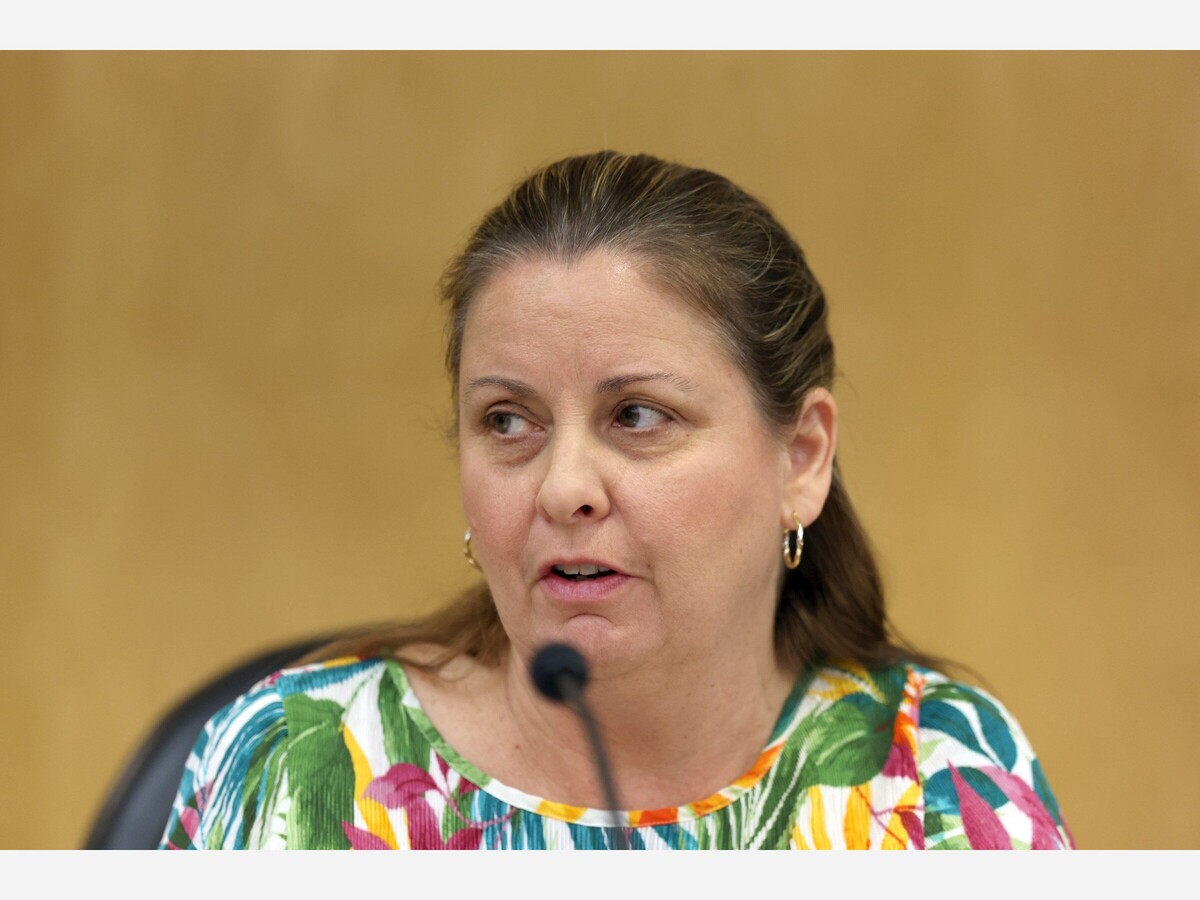
Four candidates are running for Saline City Council, but only three appear on the ballot as Miri Weidner is a write-in candidate. Janet Dillon is the only incumbent. Bret Pollington and Daniel Burgess are also seeking the four-year seats. Three candidates will be elected.
Janet Dillon's answers to our questions are featured.
Name
Janet Dillon
Biography
My name is Janet Dillon. My family and I have proudly called Saline home for almost 20 years. Like many, I was drawn to Saline for its small-town charm, strong sense of community, and family-focused atmosphere. After a successful professional career, I shifted my focus to volunteerism and community service, discovering a passion for giving back and making a meaningful difference. That commitment has led me to leadership roles with several local organizations and more than a decade of service on Saline City Council. Throughout my time in public service, I have remained committed to representing the entire community with honesty, integrity, diligence, and thoughtful consideration. I value the trust residents place in their elected officials and take that responsibility seriously.
Why do you want to be on city council?
I want to continue serving on City Council because I genuinely care about the people and businesses that make Saline such a special place. I want to aid in maintaining quality of life expectations, while making responsible decisions for our future, and ensure residents feel heard and represented. After all these years of serving, my commitment to this community has not changed. I care about the direction Saline is heading, the decisions we make today, and the impact they will have on the community in the future.
Why should voters choose you?
My commitment to our entire community has not changed. I will continue to listen, ask thoughtful questions, consider different perspectives, and make informed decisions grounded in transparency, accountability, collaboration, and responsible stewardship of taxpayer resources.
If elected, what are your priorities? How will you work on them?
Hiring a high-performing, well-accomplished City Manager with the experiences and leadership skills necessary to effectively oversee City operations, support staff, communicate with Council and residents, and ensure that established goals and expectations are being met. Completion of the Wastewater Treatment Plant rehabilitation project. The project is currently more than six months behind schedule, it is important to establish a clear path to completion. We must build on past investments by ensuring the City's existing Strategic Plan, Capital Improvement Plan, and Budgets directly guide our resource allocation. With limited resources, we must prioritize maintaining core services, infrastructure, and financial stability while finishing current projects before taking on significant new initiatives.
If the City of Saline is asked to be home to a data center, what’s your response?
Currently, Saline has a moratorium on data centers. That said, I would approach a request to locate a data center in Saline with an open but very deliberate review process. “Data center” can mean very different things, and I would want to understand exactly what is being proposed before forming a position. Data centers are not new. They have been part of the technology infrastructure for decades, ranging from relatively small facilities that may support a business to large hyperscale facilities, such as the type being developed at The Barn in Saline Township. The important distinction is scale. As part of the evaluation process, I would want to address topics such as: Project Size. Facility and land use. Infrastructure Requirements. Employment. Temporary versus permanent jobs. Financial Impact. Community Impact. Surrounding land uses, traffic, noise, utilities and emergency services. End of Life. Decommissioning plan and financial assurances. I support taking a proactive look at our zoning ordinance and other applicable regulations so that the City can establish appropriate standards before a proposal is presented. I want the City to have clear standards, independent analysis, enforceable commitments and a full understanding of the scope and impact both from the outset and decades into the future. The goal should be to make a well-informed decision based on the specific proposal and its actual impact on Saline, while having a zoning and regulatory framework that makes clear what types of development are appropriate for our community.
The Saline City Council voted 7-0 to require trans people to use the Rec Center change room of their identified gender. Some women feel city council has taken away a safe space for women. Do you support the decision? What’s your message to a woman who feels disenfranchised by the city?
This is a sensitive issue, and I understand why some women have expressed concern about privacy and feeling that a space where they once felt comfortable has changed. I believe it is important that we look at the issue based on the law, the facts and the practical needs of everyone who uses the Rec Center. Michigan’s Elliott-Larsen Civil Rights Act prohibits discrimination based on gender identity or expression in places of public accommodation and public services. I believe the Rec Center falls within those protections and therefore this needs to be part of any discussion about how the City operates its public facilities. At the same time, privacy and modesty should matter and be a benchmark for everyone. I don't think a woman should be told that her concerns about privacy don't matter, just as I don't think a transgender person should be treated as though they don't deserve dignity or access to a public facility. It is also important to separate concerns about privacy from assumptions about public safety. Research shows communities with transgender inclusive public-accommodation policies has not found an increase in criminal incidents in restrooms, locker rooms or changing rooms following adoption of those policies. National analysis likewise found no evidence that these laws increased stranger-perpetrated violent victimization. That doesn't mean someone's discomfort should simply be dismissed. The better question is whether we can provide greater privacy for everyone rather than asking one group of people to bear the burden of creating privacy for another. As I previously proposed, I would like to see the City continue looking at practical improvements, including additional private changing areas that are available to anyone who wants or needs them. That provides an option without singling out or segregating a particular group.
How do you feel about the state of the city?
I remain optimistic about Saline and its future. We have a strong community, dedicated employees, and many assets to build upon. There is a great deal to be proud of, and I believe Saline is well positioned to move forward. That said, being optimistic does not mean overlooking the challenges. There are both broader concerns and specific issues that need attention, particularly around consistent leadership, accountability, communication, and follow-through. We also need to remain focused on core services, infrastructure needs, and responsible financial management. The path forward starts with establishing stable, effective leadership and clear expectations for both administration and Council. We need to use the plans and priorities already in place to guide decisions, establish accountability, and measure progress. That means addressing existing issues, following through on commitments, communicating openly with residents, and being thoughtful about where we invest limited resources. We should focus on doing the fundamentals well before taking on major new initiatives. I believe Saline has the people, resources, and foundation to meet these challenges. With clear direction, collaboration, and consistent follow through, we can strengthen the organization and continue moving our community in a positive direction.
Should the city remove the dam or preserve Mill Pond?
I believe the City should repair the dam and preserve Mill Pond. It is an important part of Saline’s history and community identity, contributing to the character and quality of life that residents appreciate. Mill Pond offers scenic beauty, recreational opportunities, and a connection to Saline’s past. Preserving it allows us to maintain an established community feature rather than make an irreversible change to the landscape. I recognize that repairing the dam requires a financial investment and a commitment to ongoing maintenance. Those costs should be carefully evaluated alongside the long-term costs, environmental impacts, and consequences of removal. We should make this decision based on a complete understanding of both options, not simply the initial cost of repair.
Are you supportive of the Kinley development and downtown gathering space? Should the city consider zoning variances or looking the other way on parking rules to help make it happen?
I believe the downtown gathering space represents an opportunity to enhance Saline’s downtown. Open public spaces are generally a welcome addition to a community, and this project could create a place for residents and visitors to gather, connect, and enjoy downtown. Public-private partnerships can be an effective way to bring projects like this to fruition, and the City should be willing to help move the project forward. However, that support has to come with reasonable boundaries. The City should work collaboratively with the developer to explore solutions, but not at the expense of sound planning, established standards, or the broader community's interests. For this or other projects, I am open to considering zoning variances when they are justified and meet the intent of the ordinance. I do not support simply looking the other way. Any flexibility should be transparent, based on a clear rationale, and applied consistently. Supporting a worthwhile project and maintaining responsible standards are not mutually exclusive.
What would you like to see at the Davenport-Curtiss mansion?
My primary priority remains putting historic preservation protections in place for the Davenport-Curtiss Mansion to ensure the home’s architectural and historic character is preserved. From there, we need to determine if and how the home and property can be activated, whether together or separately, and identify realistic opportunities for their use. That process should include evaluating potential partnerships, operating models, renovation and maintenance costs, and possible sources of funding. The City also needs to clearly define what role, if any, it can responsibly take on, including, is the City in a position to own, maintain, manage, or financially support the property? Could the City serve as a facilitator by helping identify partners, connect with potential users, or establish a framework for preservation while another organization manages operations? We need to understand the staffing, financial, and long-term obligations associated with each approach. I would like to see the mansion preserved and put to meaningful use, but any City involvement must be sustainable, financially responsible, and balanced with our other priorities and obligations to residents.
What’s the way forward on the Rec Center? How much city money should fund Rec Center operations every year?
The Rec Center is an important community asset, but we need to be realistic about what the City can afford to support. We know it will always require a financial contribution from the City, but that subsidy cannot continue to grow exponentially. There must be a reasonable limit that protects taxpayers and does not compromise other City priorities. The first step is a clear accounting of operating costs, revenues, subsidies, deferred maintenance, and membership numbers. We need to know what it actually costs to operate the facility, where efficiencies can be found, and what revenue opportunities exist. One-time donations, pledges, and grants are helpful, but they do not eliminate the ongoing costs of staffing, utilities, maintenance, and operations. We cannot accept outside funding for improvements without considering the long-term financial obligations those improvements may create. I believe the City needs to establish a defined, sustainable annual subsidy and operate within that financial commitment. The Rec Center must be managed with the same fiscal accountability as every other City responsibility. Maintaining this asset is important, but its operating costs cannot come at the expense of essential services, infrastructure, or the City's overall financial stability.
Is the lack of retention a problem at City Hall? If so, how can the city see stabilization?
Yes, I believe employee retention and organizational stability are concerns at City Hall. Turnover affects institutional knowledge, continuity of services, staff morale, and the City's ability to move priorities forward. However, stability is not simply about filling positions or keeping people in them. Having the right people in the right roles is far more important than simply having someone at a desk. Stabilization requires consistent leadership, clear expectations, accountability, and follow-through. Employees need the support and resources to succeed, but they must also be held accountable for their responsibilities. While retaining good employees should be a priority, sometimes separation is the best avenue when expectations are not being met or a working relationship is no longer productive. The goal should be to build a capable, accountable organization with the right people in place to serve residents and move the City forward.
What’s your vision of administrative leadership in the city? City Manager, then what? What other positions do we need? Specifically, any new positions?
My vision for administrative leadership is a strong, accountable and professional organizational structure that provides continuity, clear lines of responsibility and consistent follow-through. The City Manager should remain the City’s chief administrative officer, responsible for implementing Council policy, overseeing City operations and ensuring that departments and staff have the direction and resources necessary to perform effectively. The City Manager should be supported by a capable leadership team rather than having every operational responsibility flow through one individual. I would consider adding a second-in-command position, such as a Deputy City Manager or Chief of Staff position to provide additional capacity, coordination and continuity in City business and operations. This position could help coordinate Department Heads, monitor implementation of Council priorities and the Strategic Plan, track major projects and deadlines, assist with interdepartmental issues, and ensure important work continues when the City Manager is unavailable or when there is a transition in leadership. Ultimately, I believe the City needs an administrative structure where people know who is responsible, expectations are clear, deadlines are tracked, and there is accountability for follow-through. Adding a strong second-in-command position could provide an important layer of organizational stability while allowing the City Manager to focus on broader leadership, strategic priorities, Council relations and the overall operation of the City. Beyond this, I would not advocate creating positions simply to add staff. Any new position should have a clearly defined need, measurable responsibilities and a demonstrated benefit to the organization and the community.


Overcast, with a high of 61 and low of 53 degrees. Overcast in the morning,



We have a real opportunity this election for much needed change in Saline government. Marl is toxic and has never had a real job in his life. He lives off his family’s money and privilege. He’s buying new suits and expensive cigars while many are trying to afford groceries and gasoline.
Seems like you are looking to replace an effective leader who has brought us the first creation of a city center ever, brought funding to the City at the highest levels in generations with a person who has only delivered a decline in success in the School District.
It seems you have a big chip on your shoulder from your personal experience with Dr McVey.
To be fair, I also have a chip on my shoulder from many personal experiences with Marl.
We will obviously disagree which is ok.