68° and Sunny

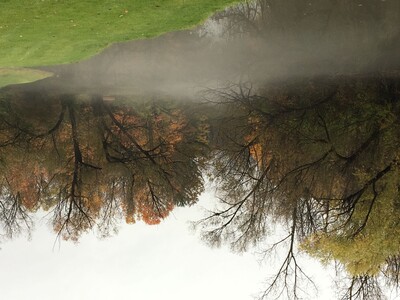
Saline composts collected leaves, but keeping some beneath trees and shrubs enriches the soil and provides winter habitat for wildlife.


Leave Some of the Leaves
Each fall, Saline offers residents a wonderfully convenient service: loose-leaf collection. We rake our leaves to the curb, with no bags needed, and the Department of Public Works hauls them to nearby fields for composting. That saves thousands of bags and turns a valuable material into compost instead of waste.
But before we send every leaf to the curb, consider keeping some at home.
Fallen leaves are nature's recycling system. As they break down, they feed the soil, hold moisture and protect roots through winter. They do the work of purchased mulch and fertilizer — for free.
Leaves are also winter shelter. Many moths, butterflies and other beneficial insects spend the cold months in the leaf layer as eggs, caterpillars, chrysalises or adults. Rake it all away and that shelter disappears, along with food for the birds that depend on those insects in spring.
Not every leaf needs to stay where it falls. Thick layers smother grass, cover sidewalks and clog storm drains. A balance works well:
- Rake some into garden beds, around shrubs and beneath trees, spread loosely and kept away from trunks.
- Add some to a compost pile.
- Mow over a light layer and let it settle into the lawn.
Then put the rest at the curb.
Saline already composts what it collects. We can carry that idea home and let some of nature's composting happen in our own yards.
A cared-for yard and a wildlife-friendly one aren't a choice. We can have both. Sometimes helping nature means doing a little less, and leaving a quiet layer of leaves beneath a shrub where life can shelter until spring.
Edith Andersen, Saline resident